Basics
The Sanguine Choleric Blend: The Warm Type Who Takes Charge
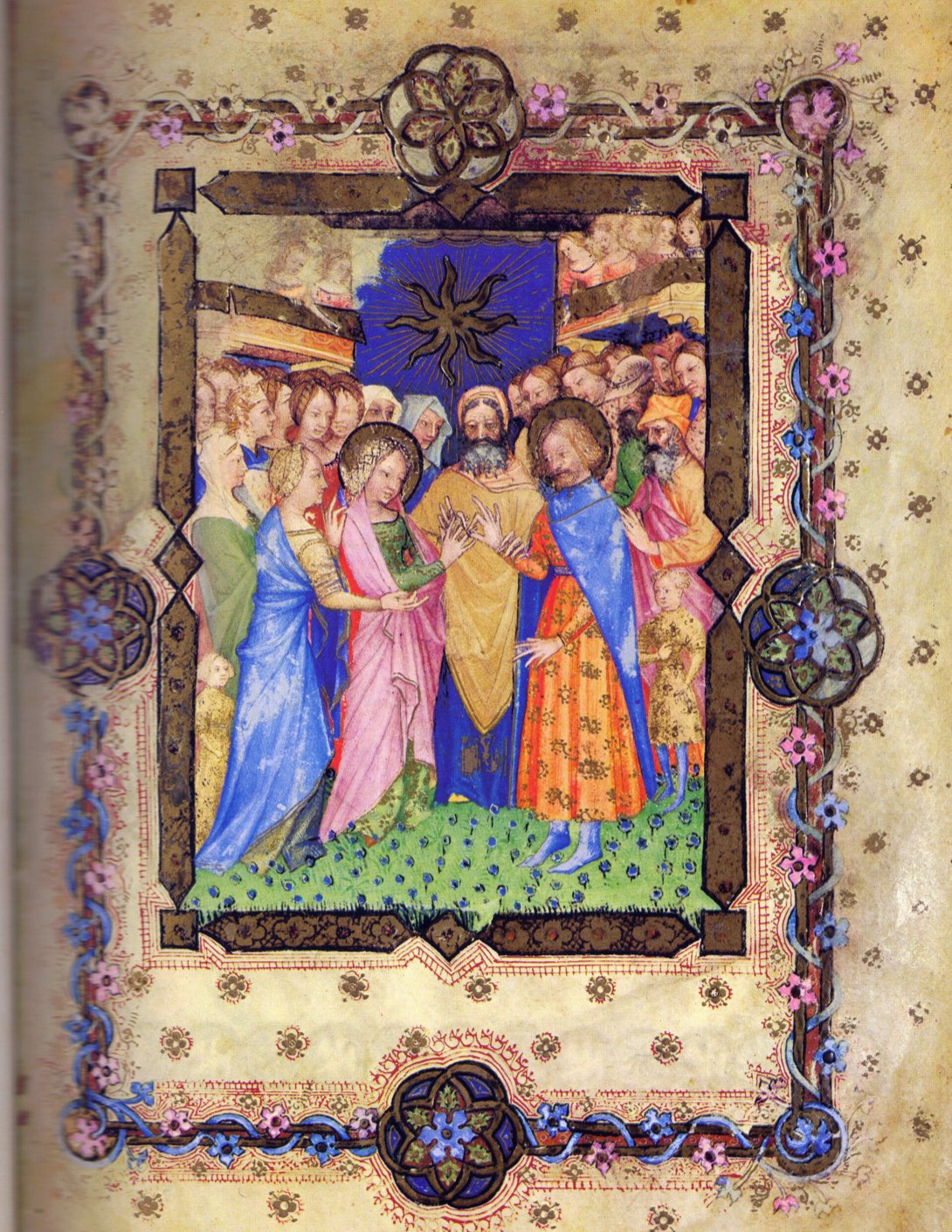
Warmth on the surface, a will underneath. What the sanguine choleric blend does well, where it goes wrong, and why the order of the two natures changes almost everything.
Start here: what the four temperaments are, how blends work, how they compare with modern personality tests, and whether yours can change.
Warmth on the surface, a will underneath. What the sanguine choleric blend does well, where it goes wrong, and why the order of the two natures changes almost everything.
Depth without noise. What the melancholic phlegmatic blend does better than anyone, why its calm is sometimes a hiding place, and how the order of the two natures changes the person.
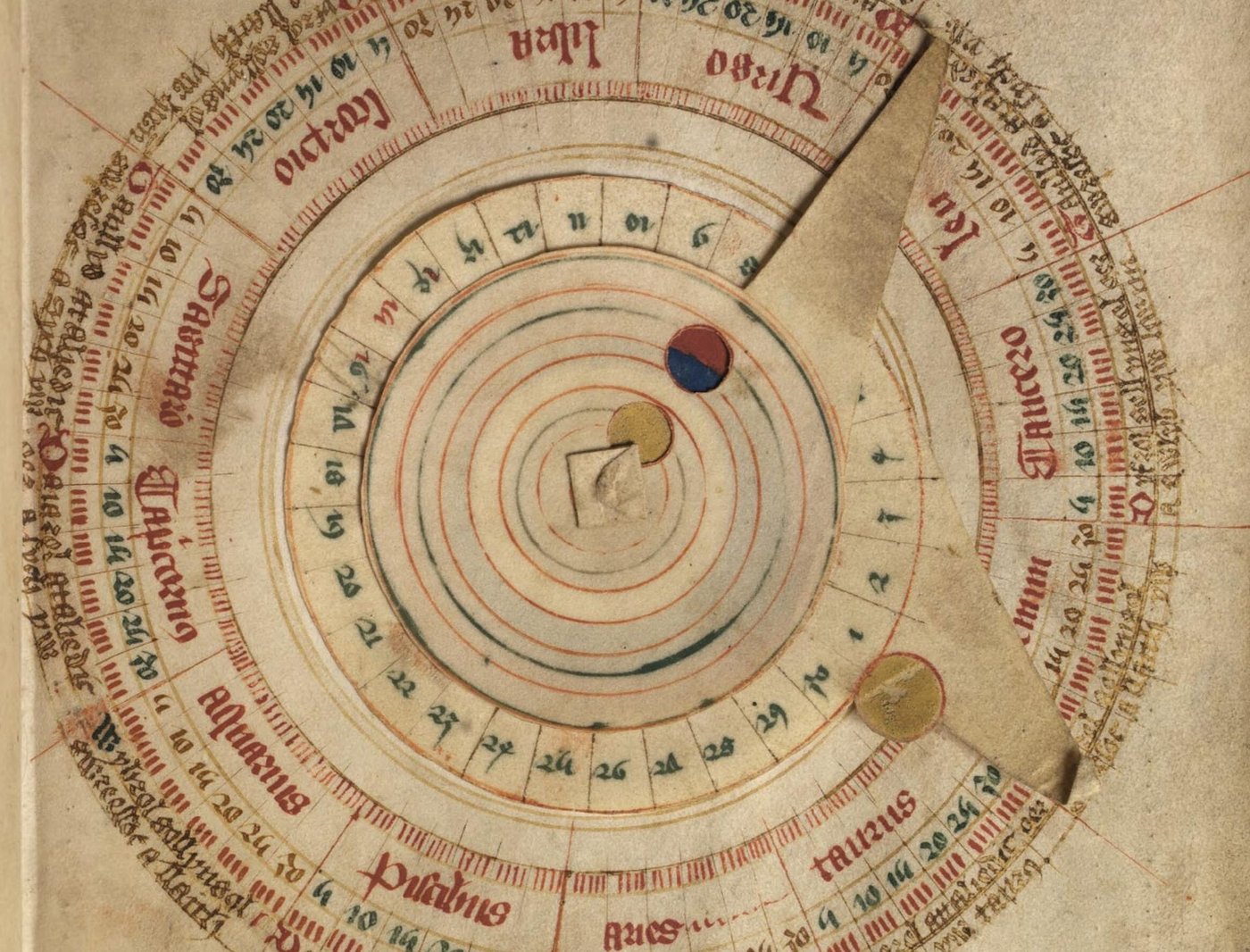
In 1964 Hans Eysenck published a diagram with two axes and the four classical temperament names printed around the rim. It is the honest starting point for what survived the twentieth century and what did not.
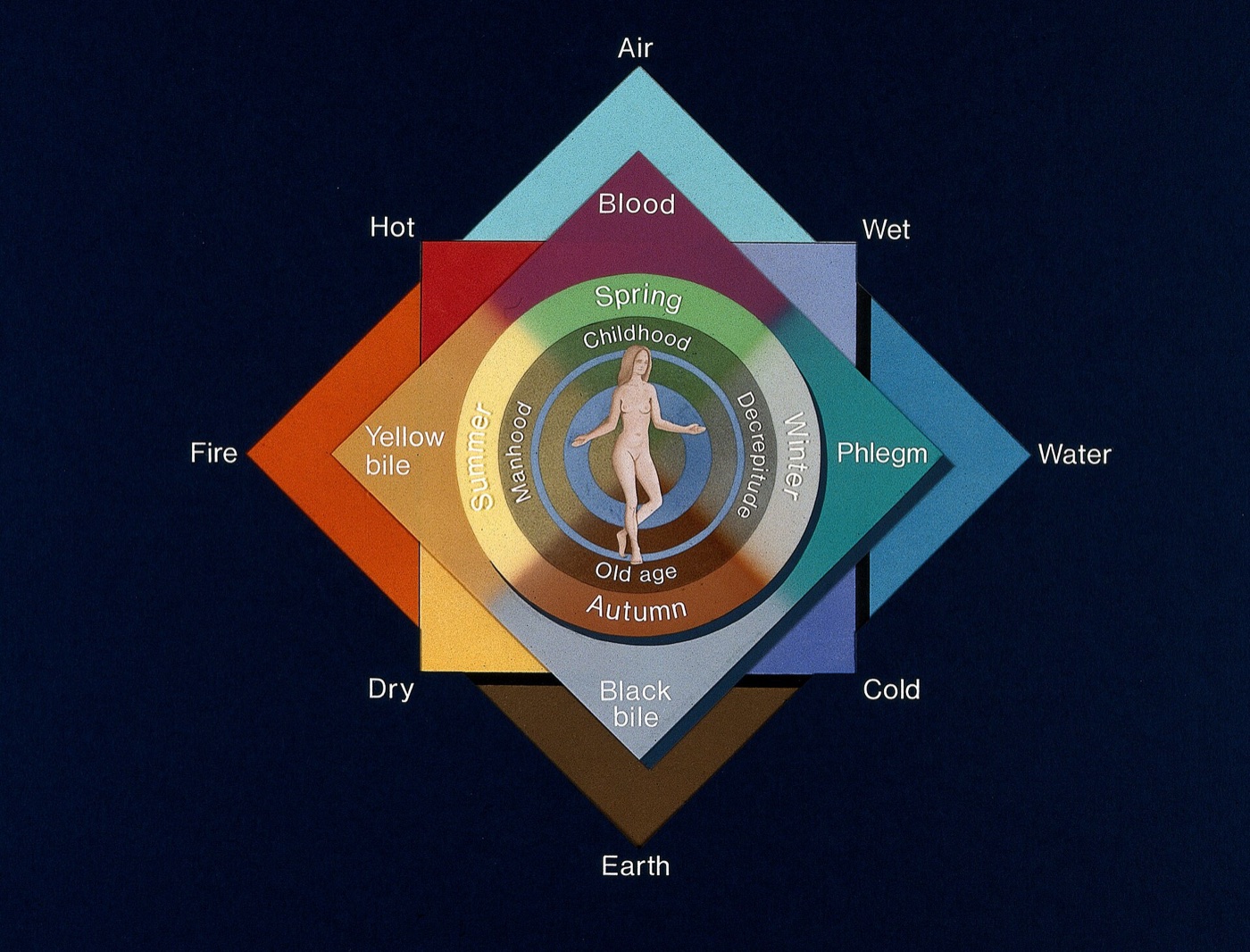
Almost no one is a pure temperament. Here is how to read the second-place type in your result, what the common blends feel like day to day, and why the mix is the point.
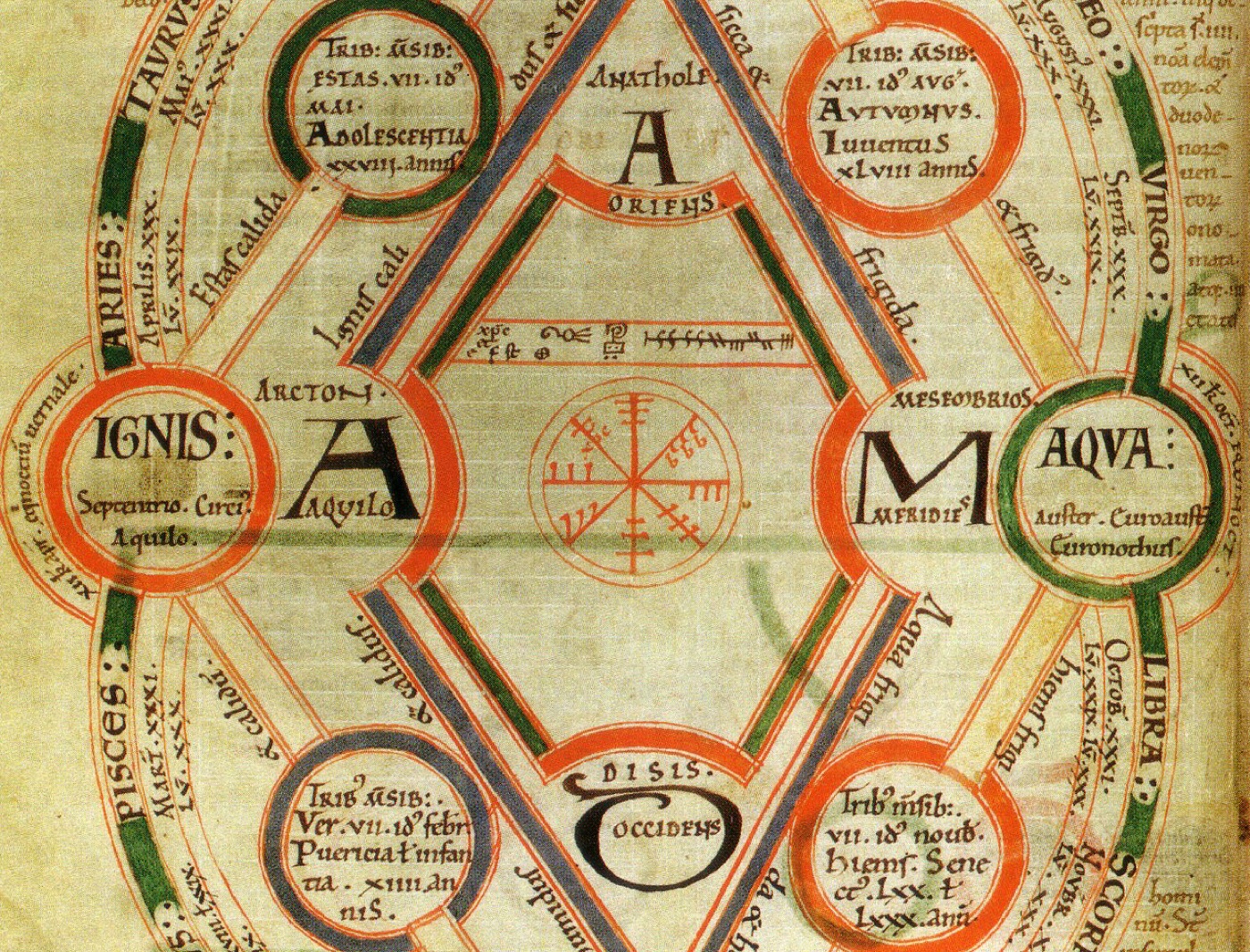
The humors are an old descriptive lens; MBTI, the Big Five, the Enneagram, and DISC are measured tools. Here is where they honestly overlap, and where they do not.
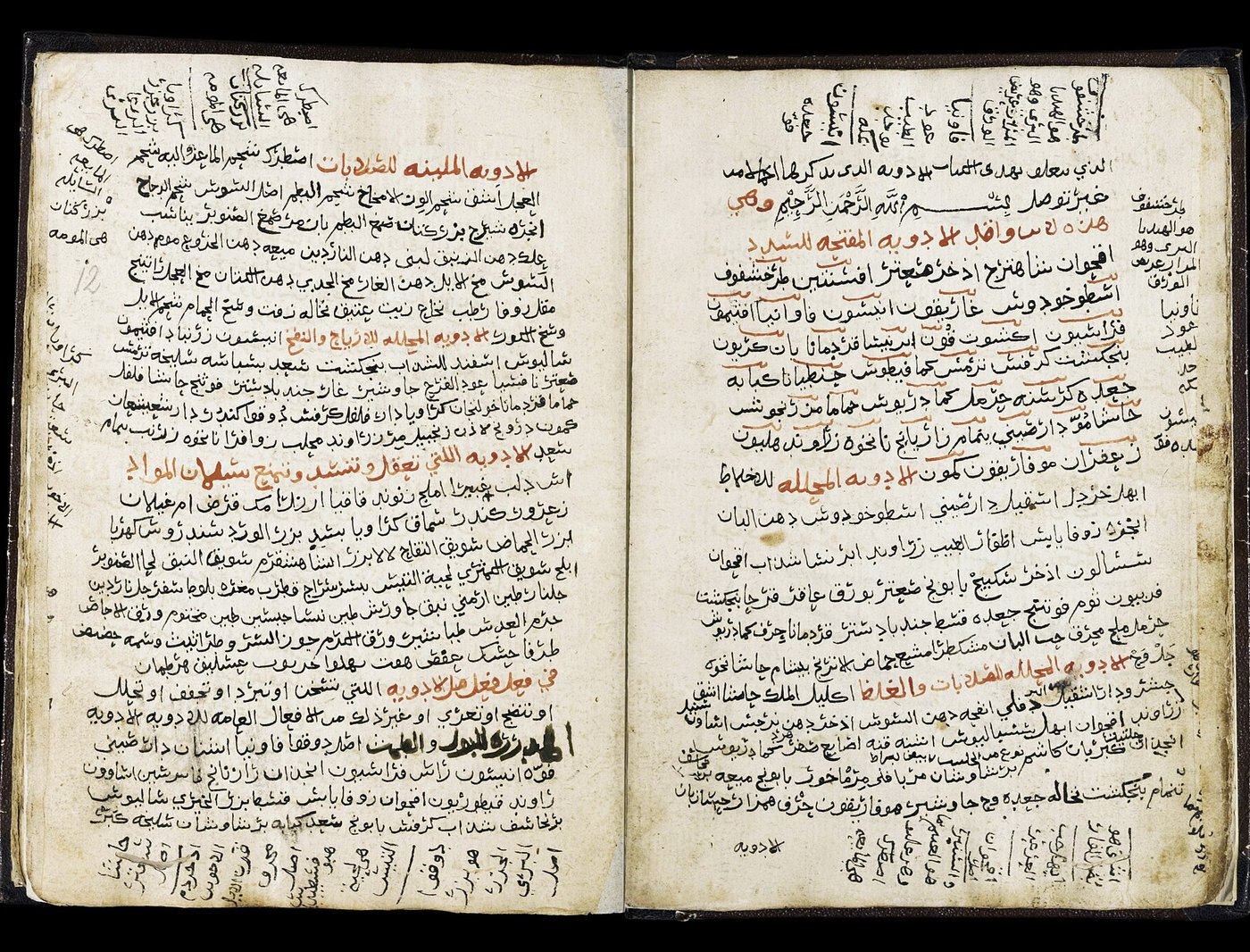
Many cultures explained temperament through elemental qualities, but Ayurveda's three doshas, Unani mizaj, and Chinese medicine's five phases are genuinely different systems, not translations of the Greek four humors.
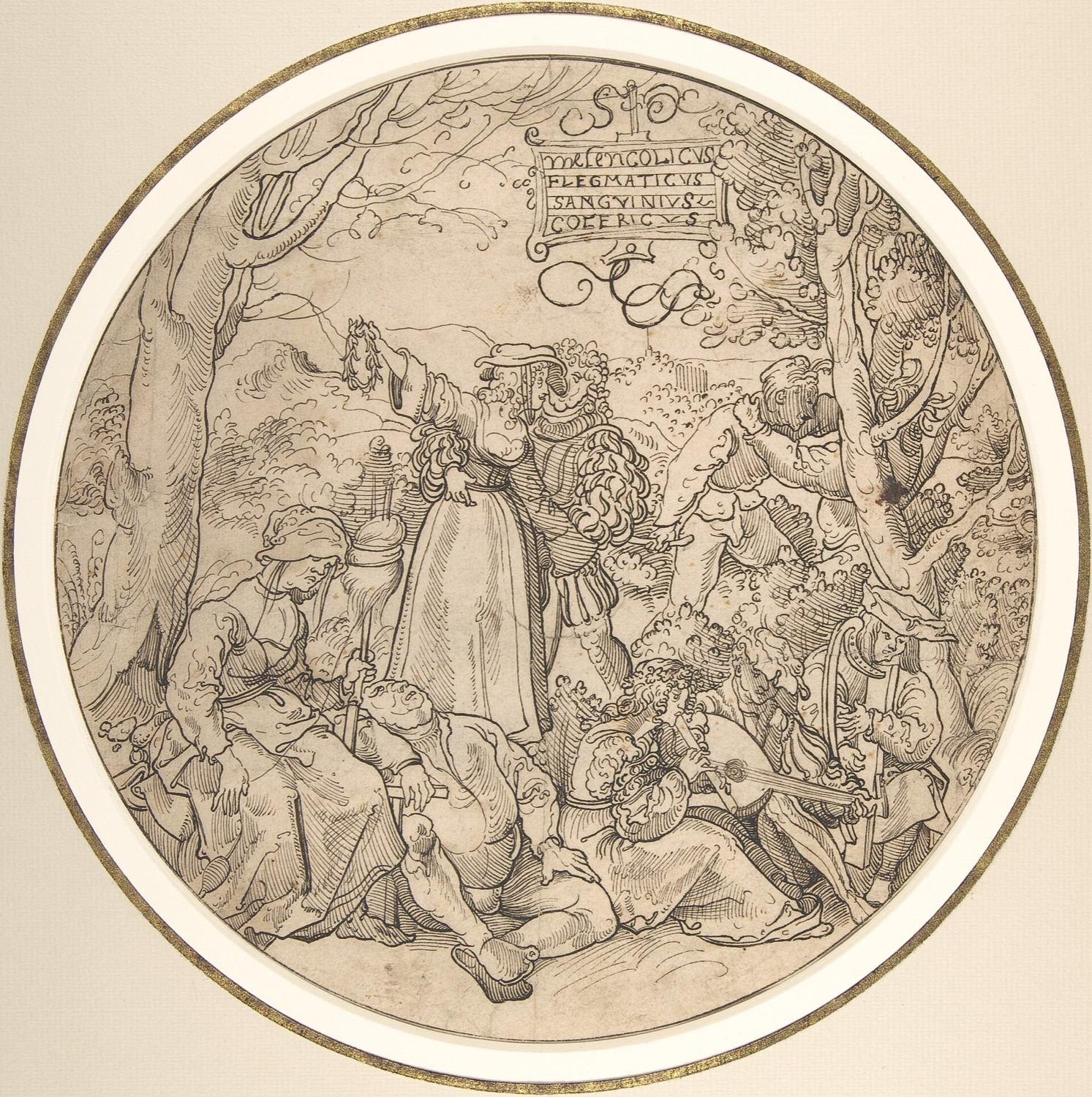
A plain guide to sanguine, choleric, melancholic, and phlegmatic: where the idea comes from, what each type is like, and why most of us are a blend.
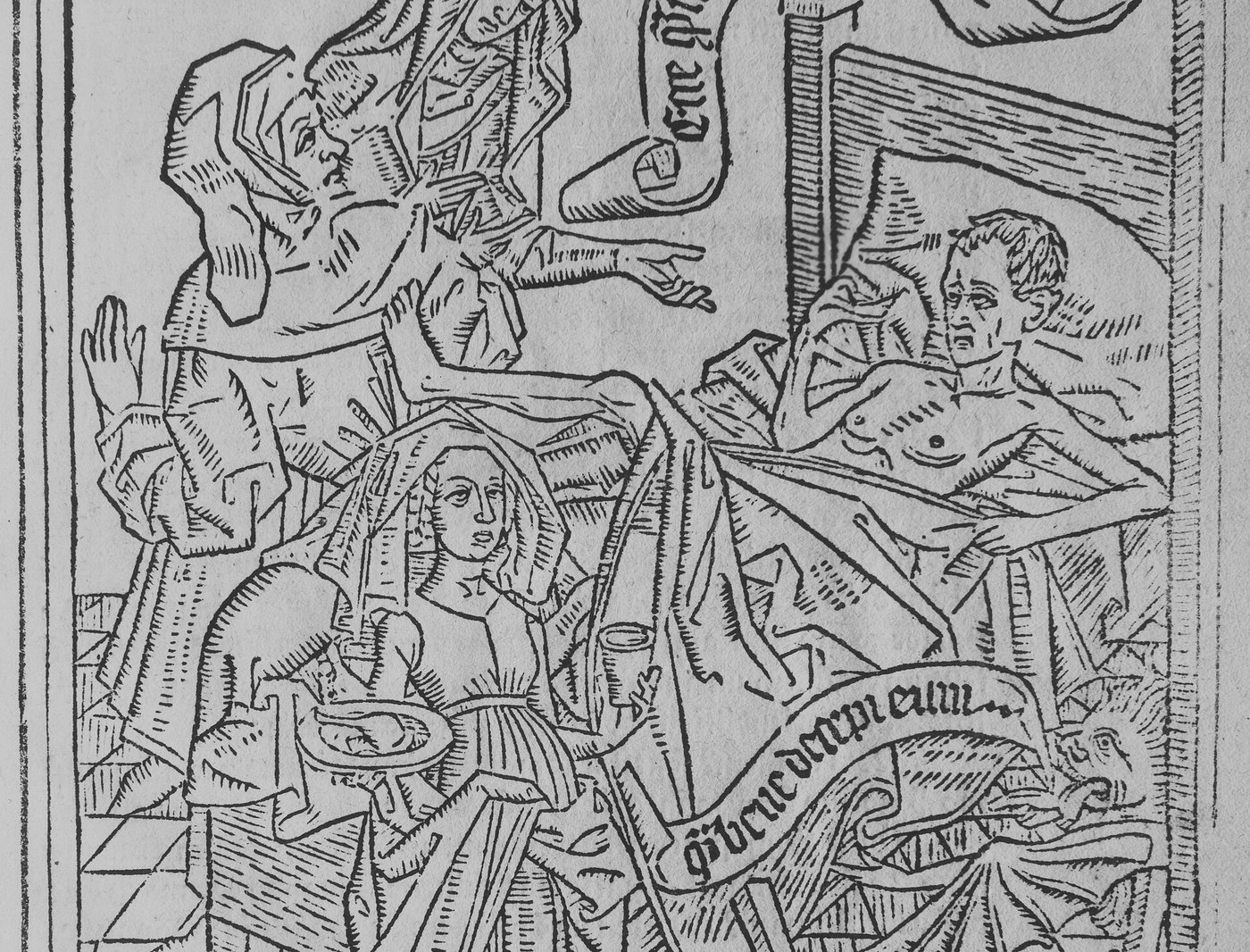
The old tradition gave every temperament a besetting vice. The sanguine who breaks promises, the choleric who bullies, the melancholic who despairs, the phlegmatic who takes no side, and why you know your type best by its failures.
Your core nature stays with you, but its edges are yours to shape. What you can change, what you cannot, and how to grow without fighting yourself.