The Humors Around the World
Many cultures explained temperament through elemental qualities, but Ayurveda's three doshas, Unani mizaj, and Chinese medicine's five phases are genuinely different systems, not translations of the Greek four humors.
In a Unani clinic in Hyderabad, a hakim rests two fingers on a patient's wrist and reads the pulse for a long moment before writing anything down. On the shelves behind him sit glass jars of dried herbs, myrobalan, fennel, senna, each labelled in Urdu. He is deciding, among other things, whether this constitution runs hot or cold, moist or dry. The word he would use for that constitution is mizaj. The system he is working inside is roughly a thousand years old, and its distant grandparent is Greek.
A Greek idea with a South Asian afterlife
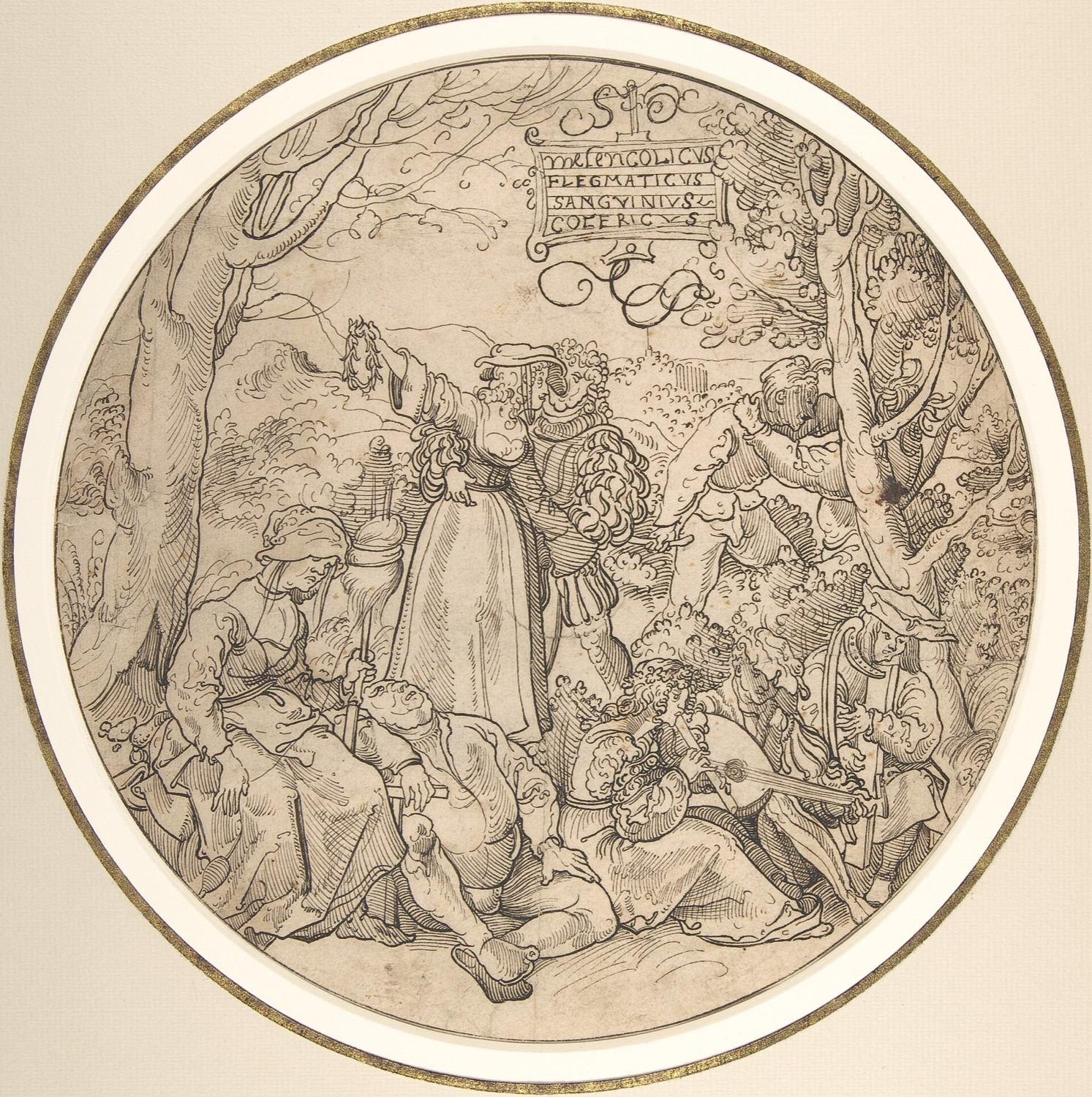
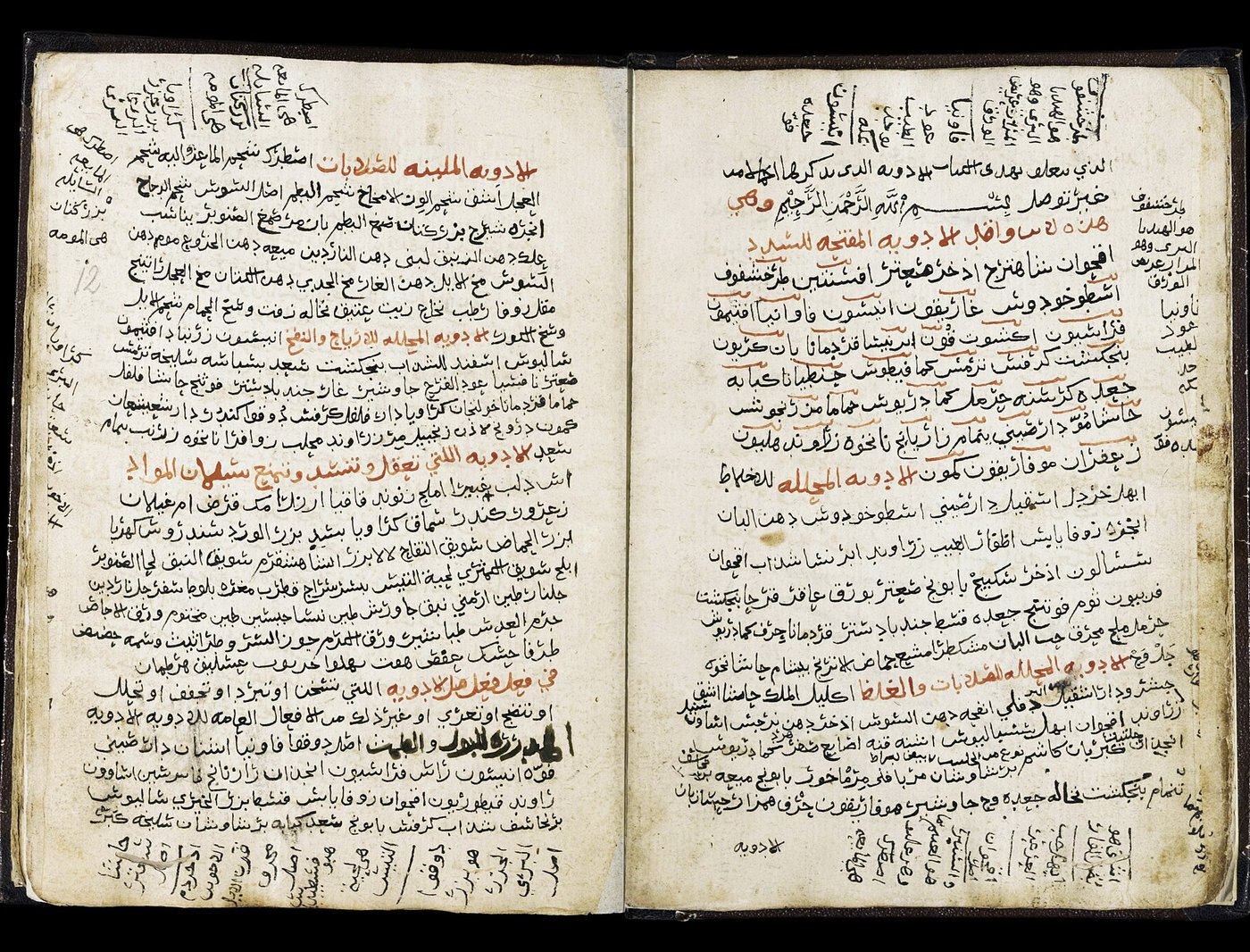
The four humors of Hippocrates and Galen, blood, phlegm, yellow bile and black bile, did not stay in the Mediterranean. When Greek medical texts were translated into Arabic from the ninth century onward, the humoral scheme was absorbed, argued over and expanded by physicians writing in Arabic and Persian. The result is usually called Unani medicine, from Yunani, meaning simply Greek. Its central idea is mizaj, the individual temperament produced by the balance of the qualities.
The physician who gave this tradition its most durable shape was Ibn Sina, known in Europe as Avicenna, who lived from 980 to 1037. His Canon of Medicine turned humoral theory into a working clinical manual that was taught for centuries in both the Islamic world and Europe. What makes Unani unusual among old medical systems is that it never became purely historical. It is still a licensed and practised form of medicine in India, Pakistan and Bangladesh today, with its own colleges and hospitals. If you want the detail of how one man carried the humors across languages, read about Avicenna.
India counted to three, not four
It is tempting to look at Ayurveda and see the same picture, but the numbers do not line up, and that difference matters. Classical Ayurvedic medicine, whose foundational texts are older than Avicenna, does not work with four humors. It works with three doshas: vata, pitta and kapha. These rest not on four elements but on five, the pancha mahabhuta, usually translated as earth, water, fire, air and space.
Each dosha is a pairing. Vata is associated with air and space, pitta with fire and water, kapha with earth and water. A person is understood through their prakriti, the inborn constitution, which is some particular mix of the three. You can feel the family resemblance to the Greek system, an inborn temperament read through elemental qualities, without the two being the same thing. Three is not four with one part hidden. It is a different count resting on a different physics.
China counted to five
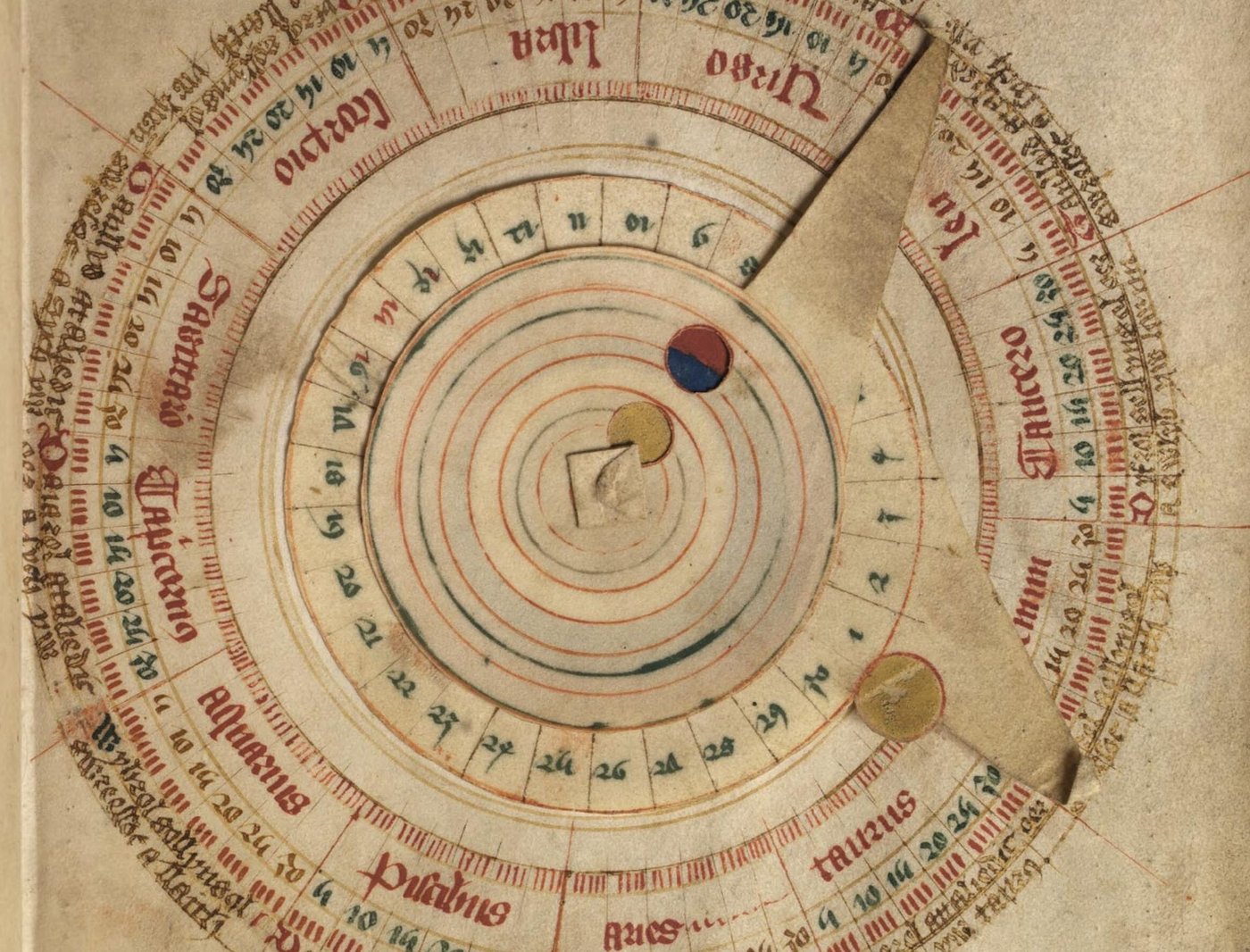
Classical Chinese medicine breaks the pattern again, and more sharply. It does not sort the body by humors at all. Its organising idea is wu xing, the five phases, often rendered as wood, fire, earth, metal and water. These are less like substances sitting in the body and more like phases of change, each linked to organs, seasons, colours and emotions, and each acting on the others in ordered cycles of generation and control.
Here the temptation to translate is strongest and most misleading. There is no clean way to set five phases against four humors or three doshas. The logic is relational rather than compositional. A phase is defined by what it feeds and what it restrains, not by a quality it contains. To force it into a humoral grid is to lose the thing that makes it work.
What these systems do not share
So it is worth being plain. These are not four dialects of one language. They differ in the most basic way a system can differ, in how many parts they name: three, four, five. They differ in their elements, four in Greece, five in India, five again but entirely different ones in China. They differ in their logic, composition in one case, relation in another.
The interesting thing is not a hidden universal truth beneath all of them. It is that so many separate cultures reached, independently, for the same kind of answer.
Mapping one onto another flatters our wish for unity and quietly erases three traditions in the process. A hot and dry Greek choleric is not a pitta person and not a fire phase, however close the words can sound.
Why the same habit keeps returning
What they share is narrower, and more interesting, than a common doctrine. It is an impulse. Faced with the plain fact that people differ, steady or quick, warm or cool, and that bodies and moods seem to move together, many cultures reached for the same shape of explanation: a small set of elemental qualities, held in a balance that tilts one way in each person.
That recurrence tells you something about the people doing the explaining rather than about the humors themselves. A short list feels usable. Balance feels fair. Elements feel concrete. The Greek version is the one this site follows, and if you want its internal logic set out plainly, start with what the four temperaments are, or take the test and read your result knowing it is one old map among several. The map is not the country. What is worth keeping is the modest observation underneath all of them, that temperament is real, that it varies, and that people have always wanted a language for it.
Find your temperament
Take the test