Basics
The Sanguine Choleric Blend: The Warm Type Who Takes Charge
Warmth on the surface, a will underneath. What the sanguine choleric blend does well, where it goes wrong, and why the order of the two natures changes almost everything.
A calm, modern guide to the four temperaments: sanguine, choleric, melancholic, and phlegmatic. Take the test, then read what your result means.
Warmth on the surface, a will underneath. What the sanguine choleric blend does well, where it goes wrong, and why the order of the two natures changes almost everything.
Depth without noise. What the melancholic phlegmatic blend does better than anyone, why its calm is sometimes a hiding place, and how the order of the two natures changes the person.
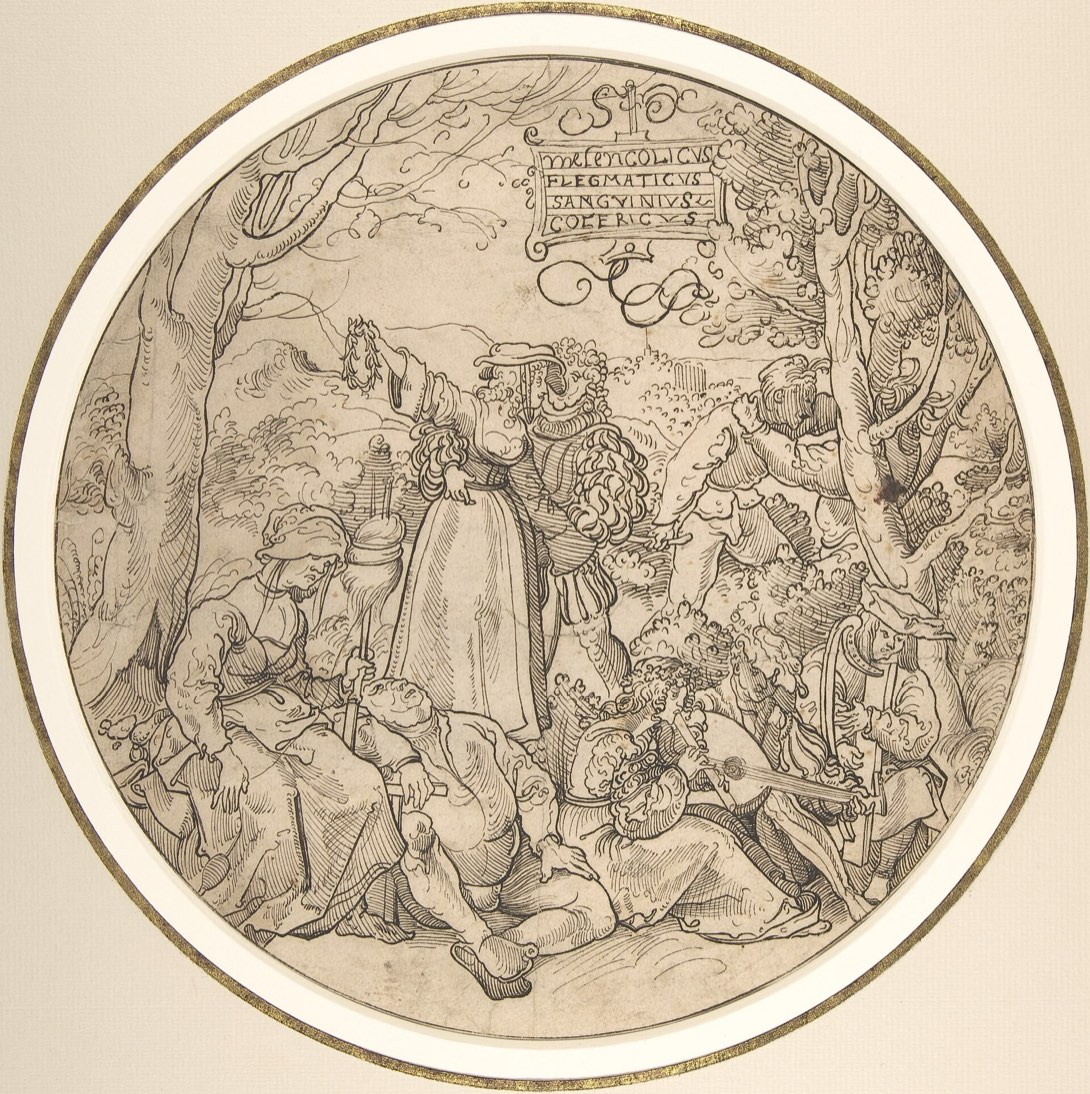
A plain compatibility chart for the four temperaments: what each of the ten possible pairings tends to do well, where it tends to grind, and what the tradition actually claims about matching natures.
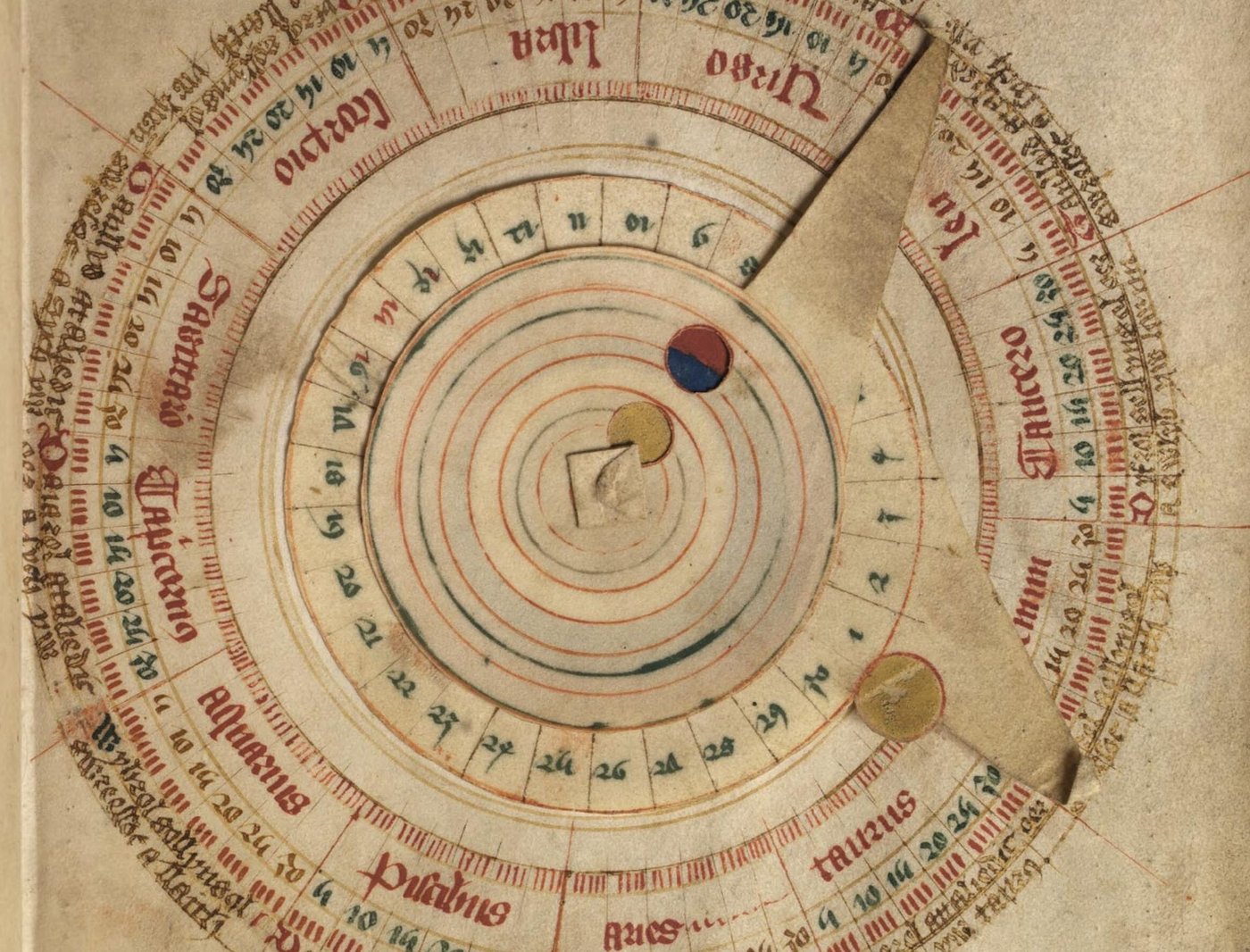
In 1964 Hans Eysenck published a diagram with two axes and the four classical temperament names printed around the rim. It is the honest starting point for what survived the twentieth century and what did not.
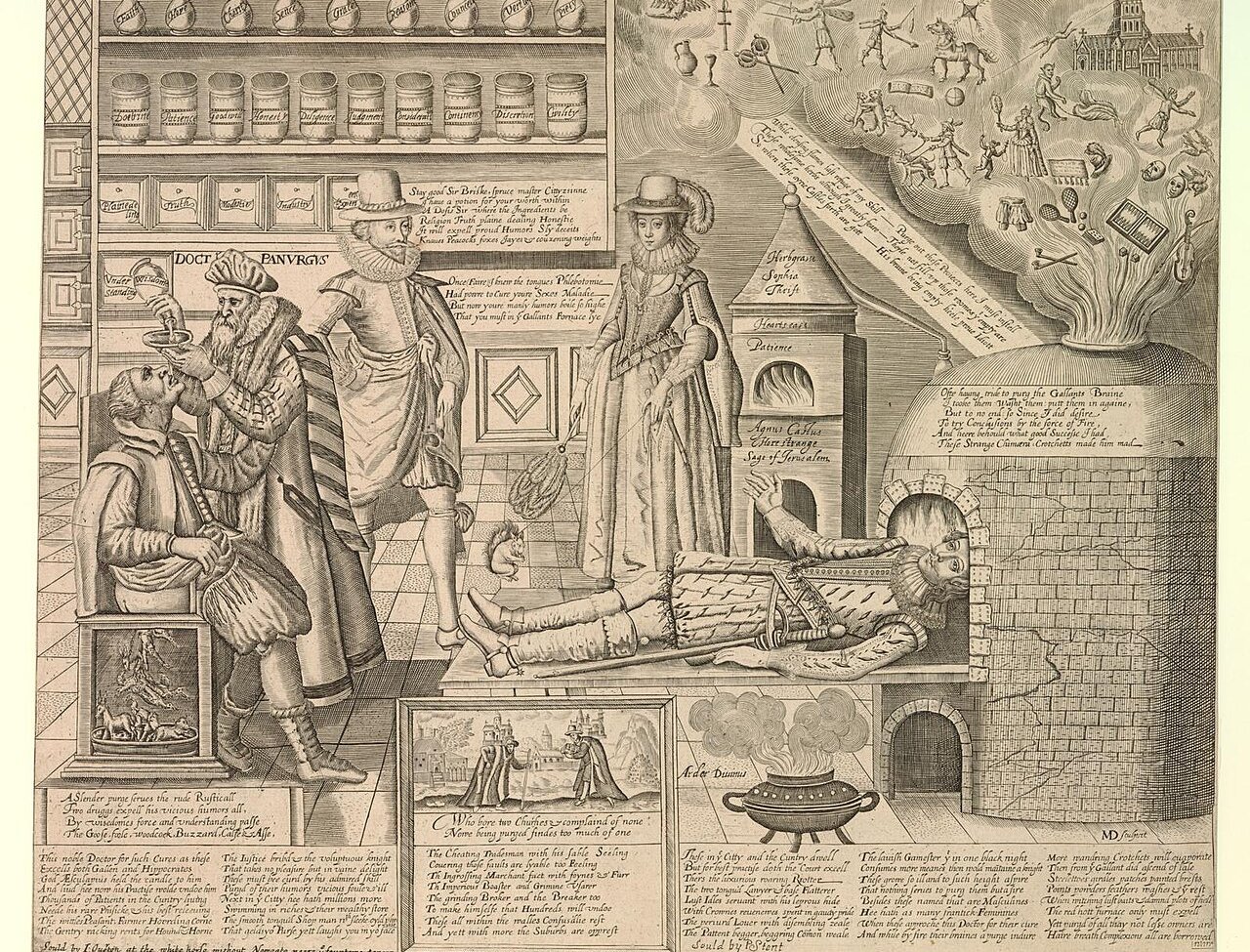
Robert Burton spent thirty years on a thousand pages about his own black bile, and wrote plainly that he wrote of melancholy by being busy to avoid melancholy. It is the largest book anyone produced inside the humoral system.
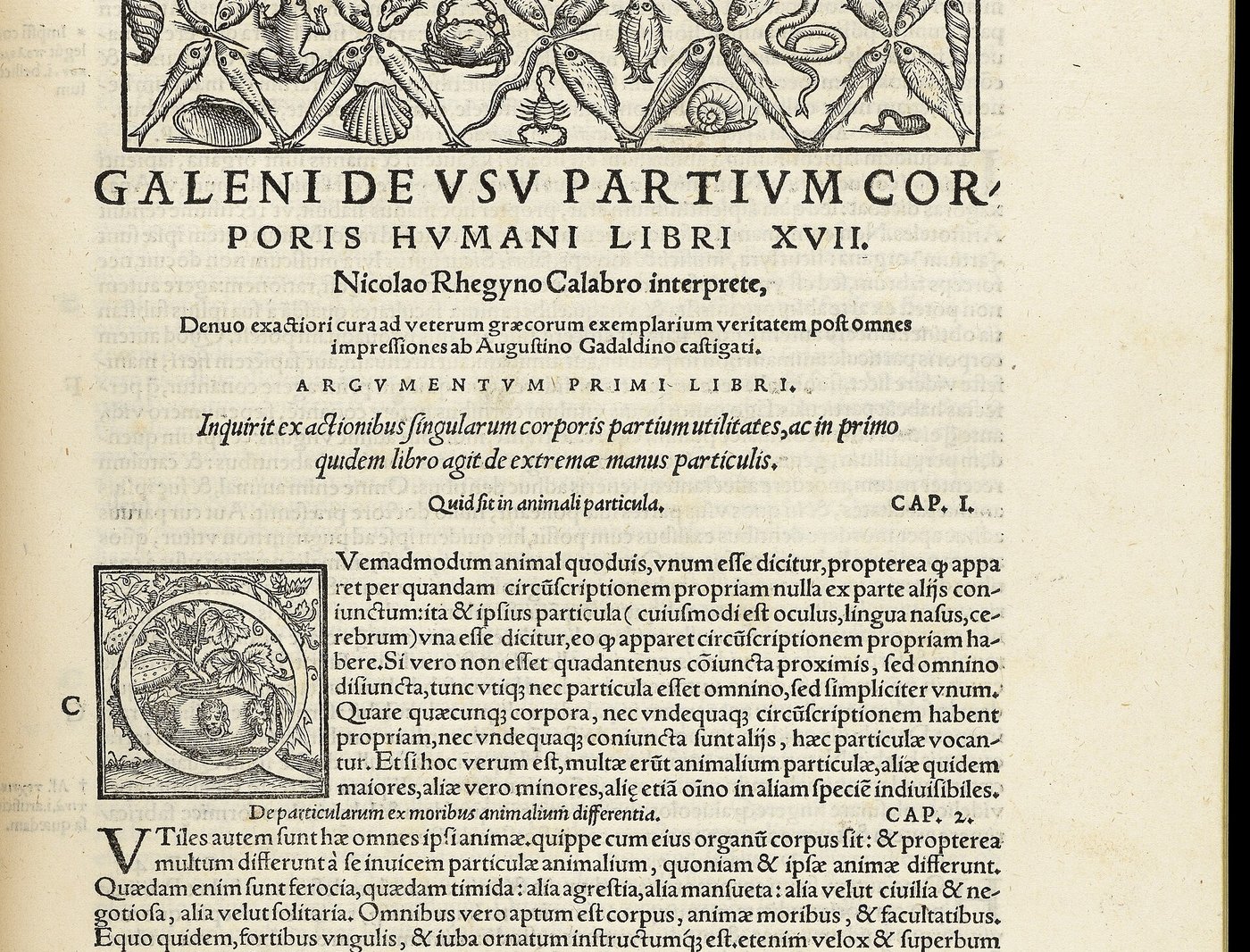
Vesalius could not find Galen's anatomy in a human body in 1543, and Harvey showed that blood circulates in 1628. Physicians went on bleeding patients for another two hundred years, and the reason why is the interesting part.
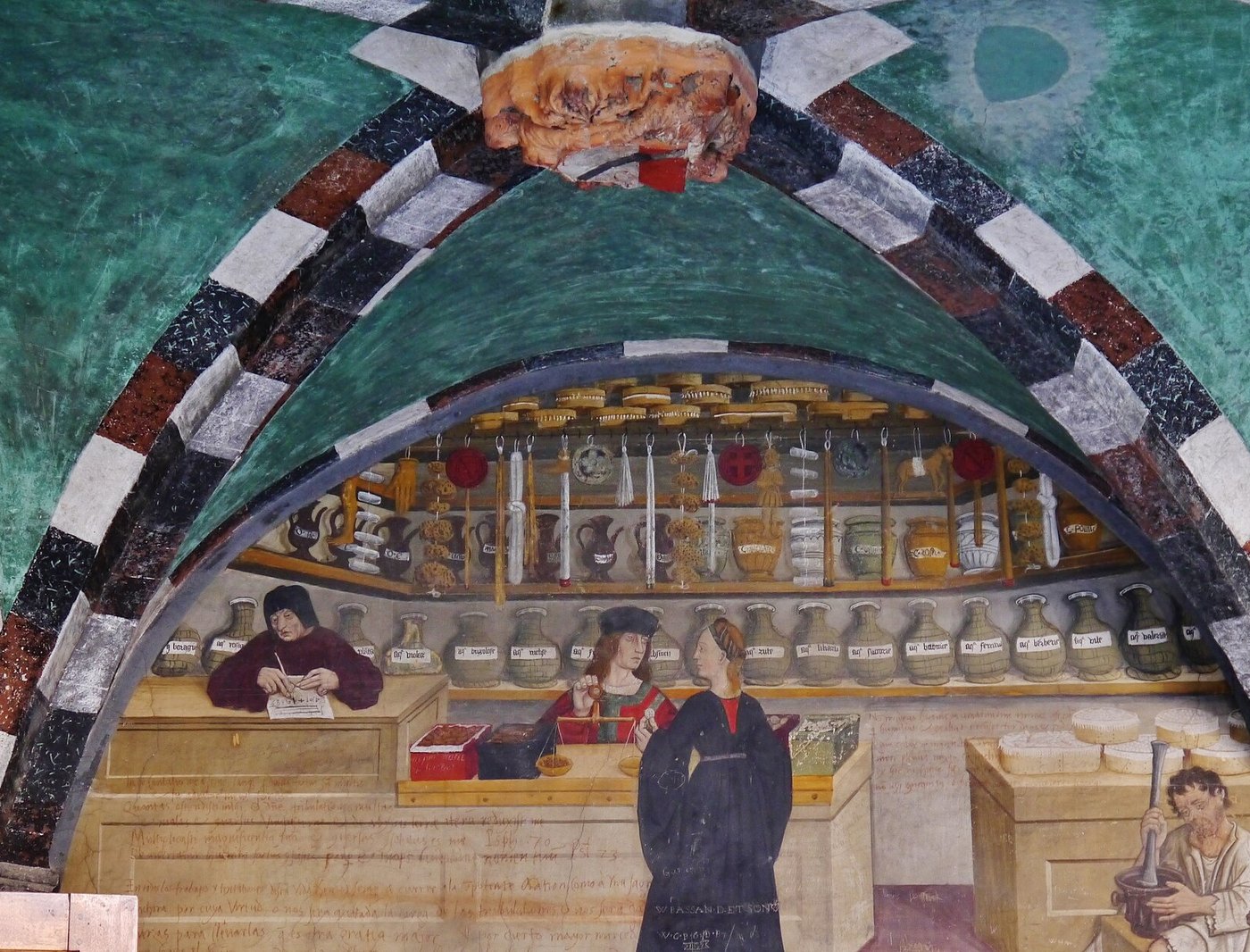
Sanguine money leaves in warm weather. Choleric money moves too often. Melancholic money sits still and costs its owner years of worry. Phlegmatic money simply never gets discussed. A look at four patterns and what each one quietly costs.
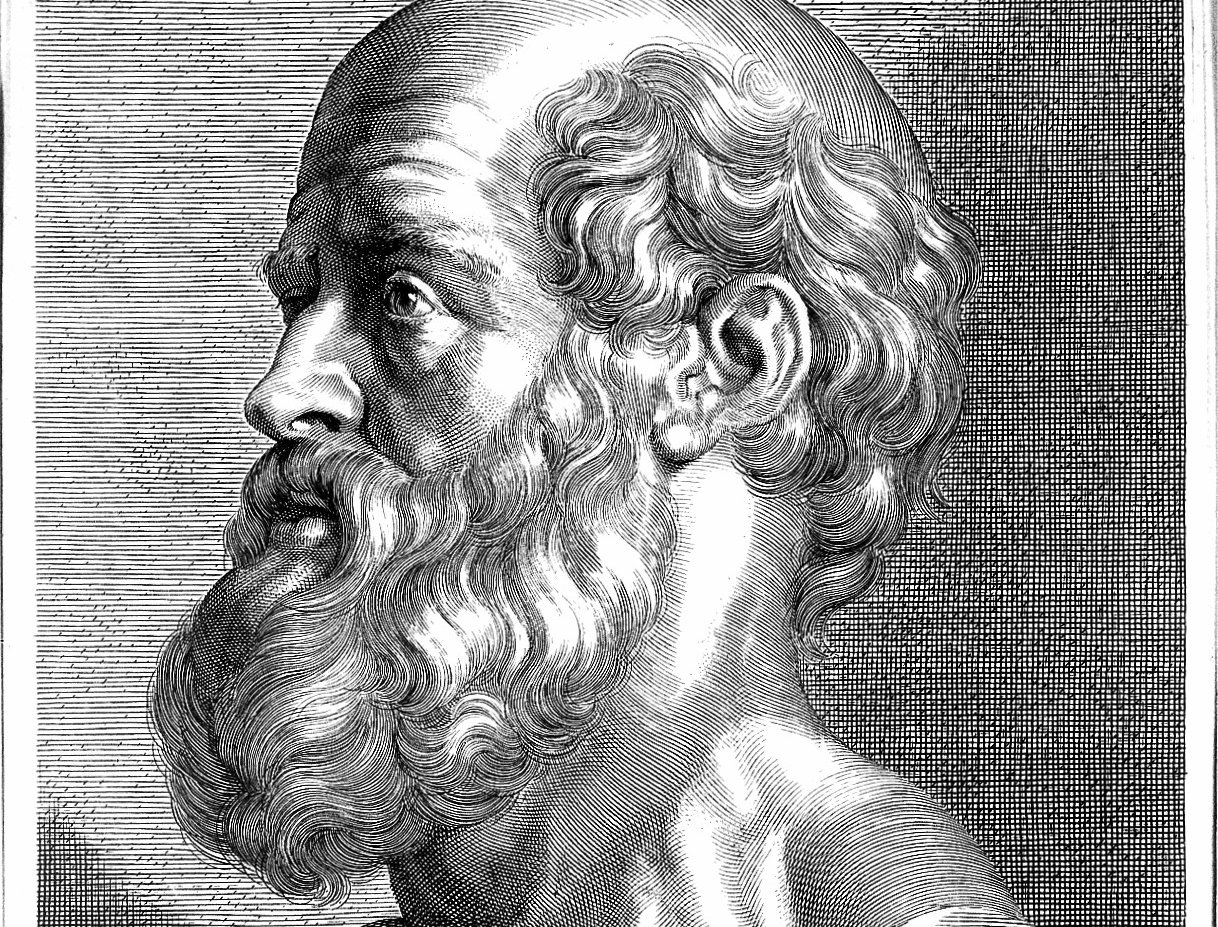
On a Greek island around the fifth century BC, and in Rome six centuries later, two physicians who never met gave us the language of temperament we still use.
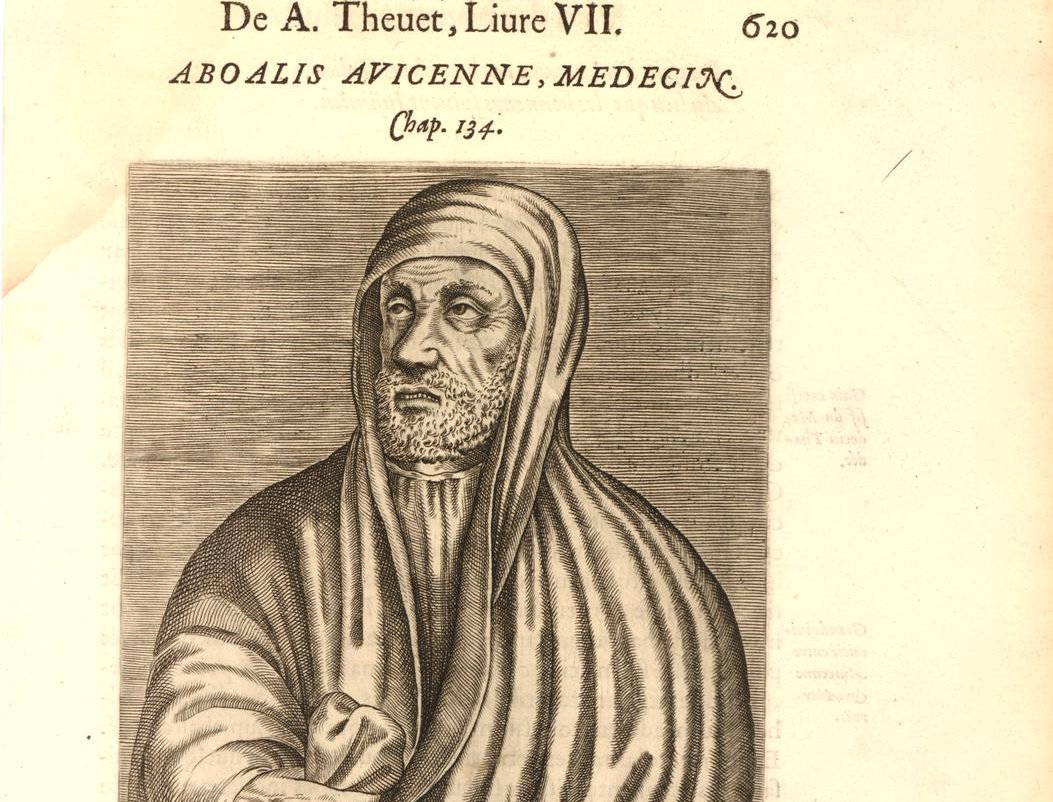
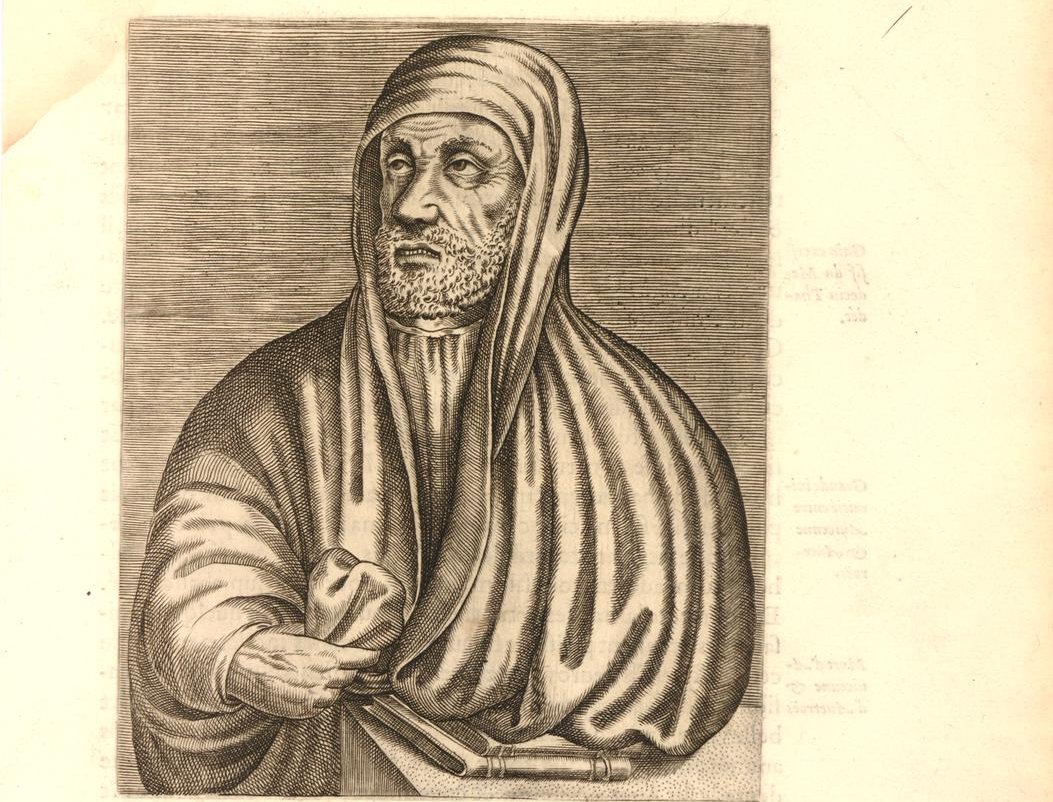
A teenage boy in Bukhara talks his way into a royal library, then grows up to write the medical book that Europe and the Islamic world studied for six hundred years.
Almost no one is a pure temperament. Here is how to read the second-place type in your result, what the common blends feel like day to day, and why the mix is the point.
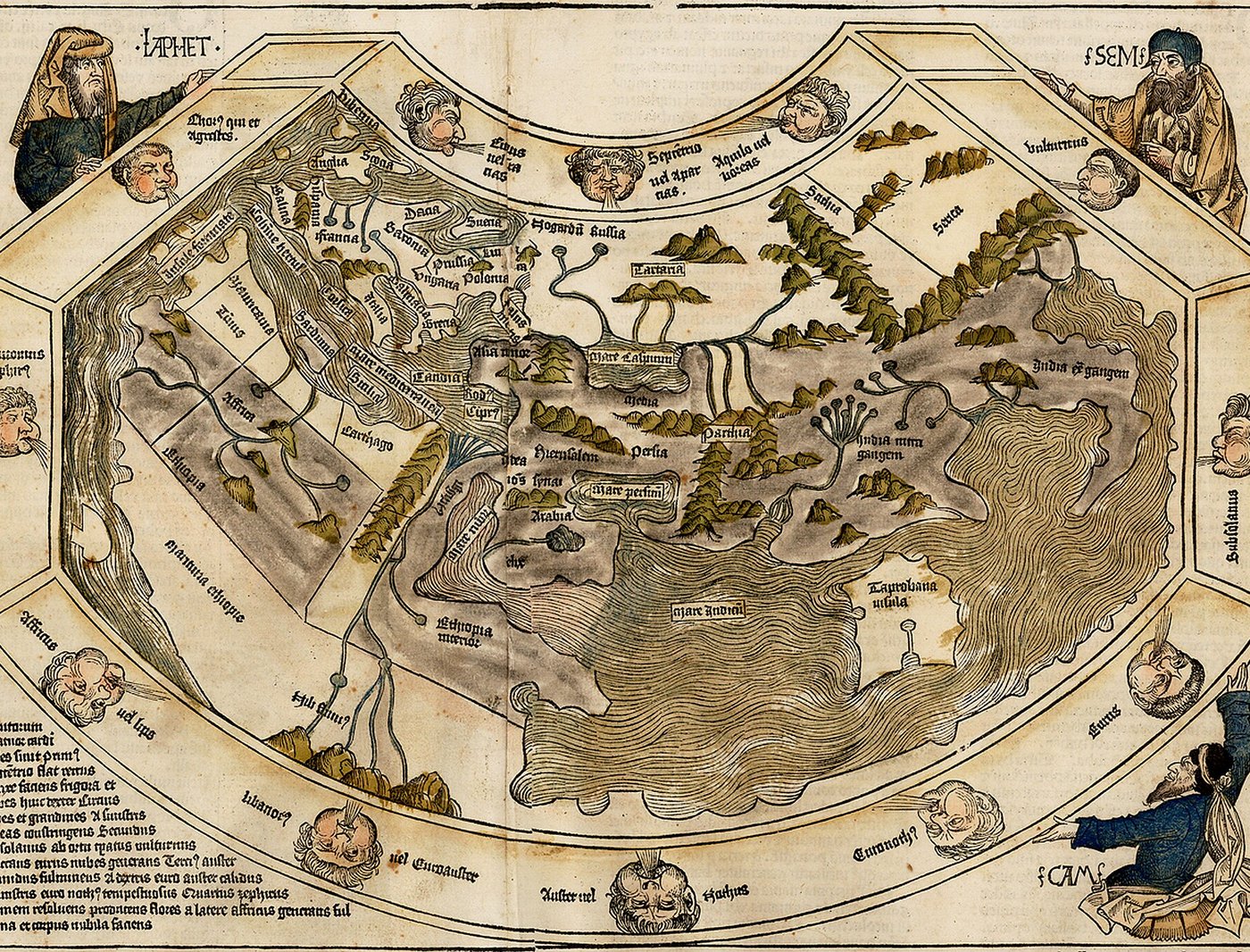
A Greek physician was told to study a town's winds and water before he treated anyone in it. Airs, Waters, Places is the oldest surviving argument that place shapes character, and the source of two thousand years of prejudice about it.
In On Mixtures Galen laid out nine states of the body: one perfectly balanced centre and eight ways of leaning off it. The four temperaments everyone knows are only four of the eight, and the balanced ninth was the one he prized most.
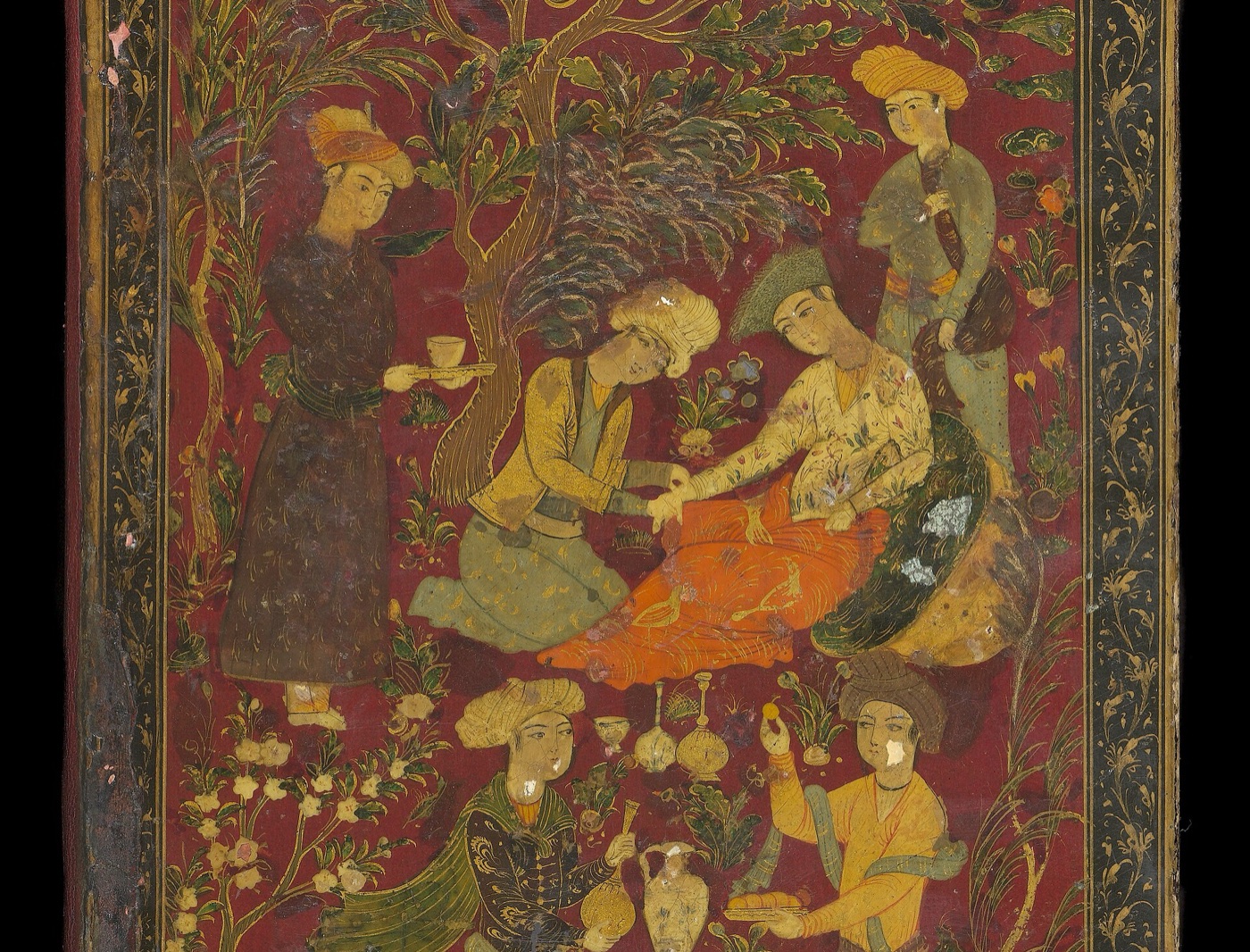
One way of talking never fits everyone. Here is what each temperament needs to hear, what quietly shuts them down, and how to ask so you actually get a yes.
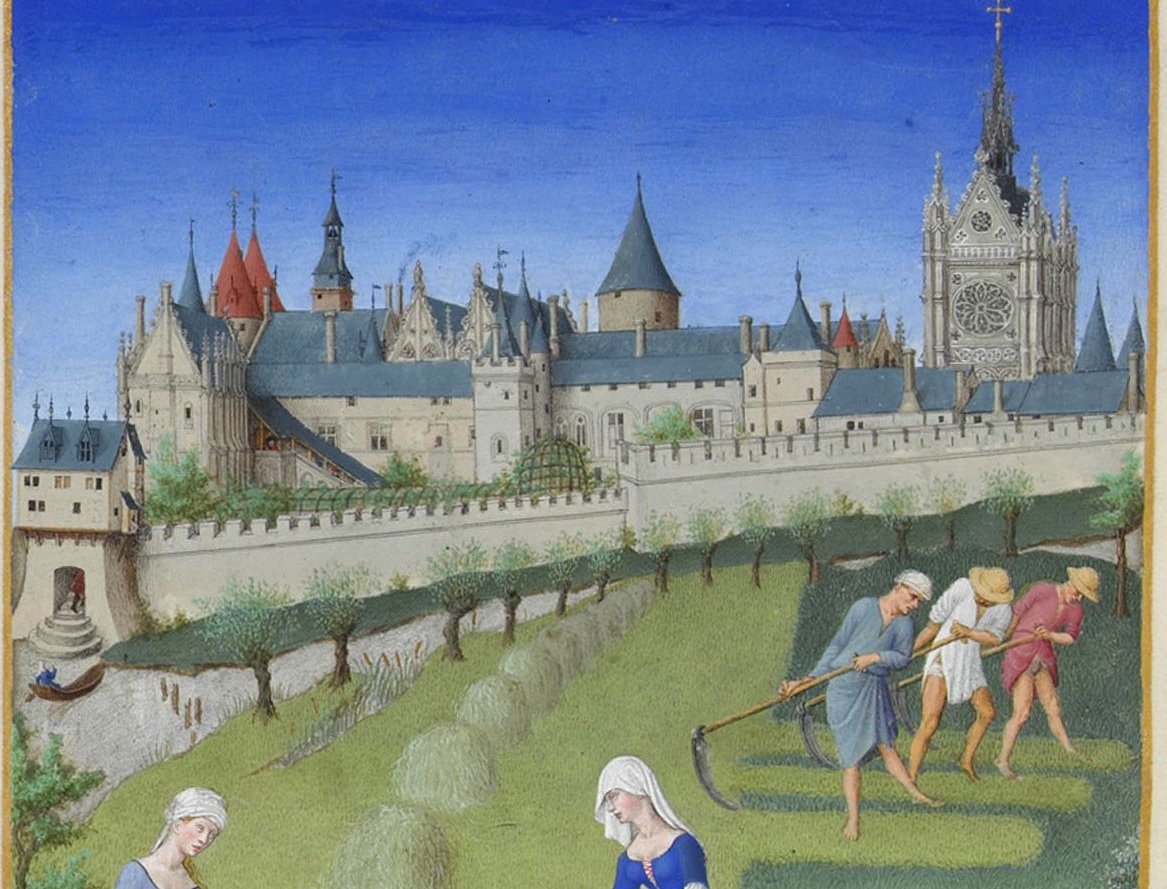
Air, food, sleep, motion, evacuation, and the passions of the mind were the six things a physician told you to manage. They were the working core of humoral medicine, its everyday preventive plan.
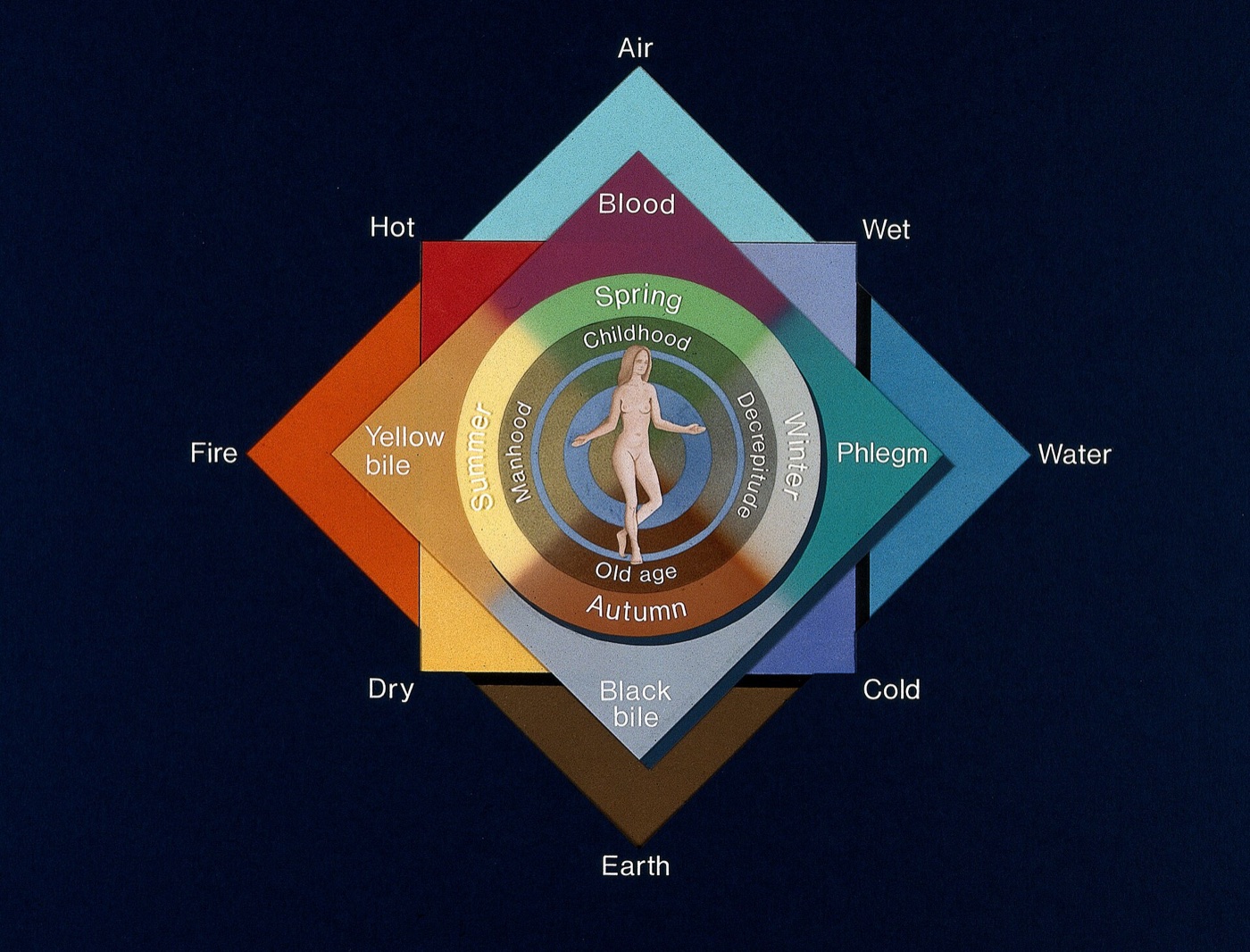
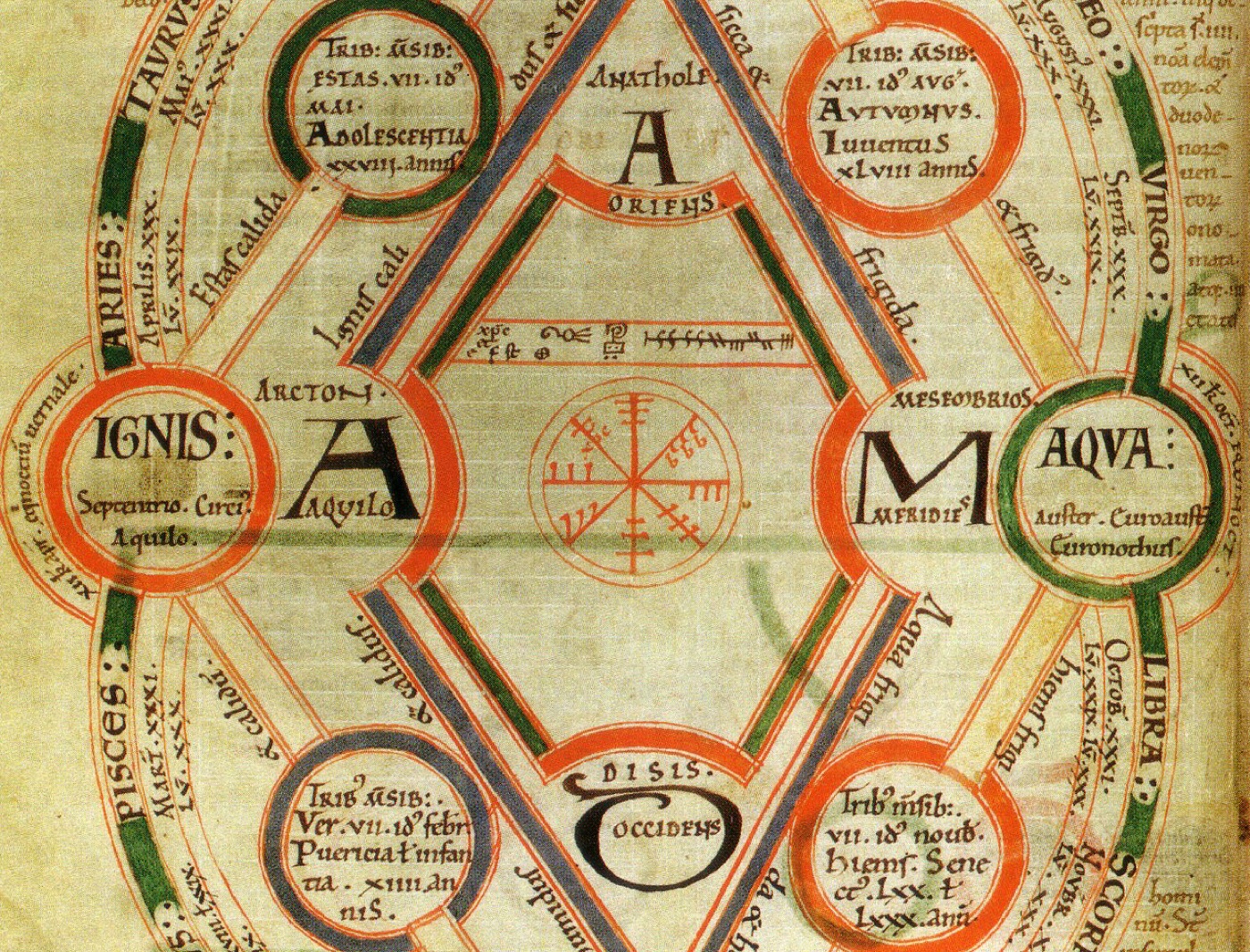
Four elements, four qualities, four humors, and four temperaments, all lined up so the body echoed the cosmos. The old and rather lovely idea of the person as a small world.
The humors are an old descriptive lens; MBTI, the Big Five, the Enneagram, and DISC are measured tools. Here is where they honestly overlap, and where they do not.
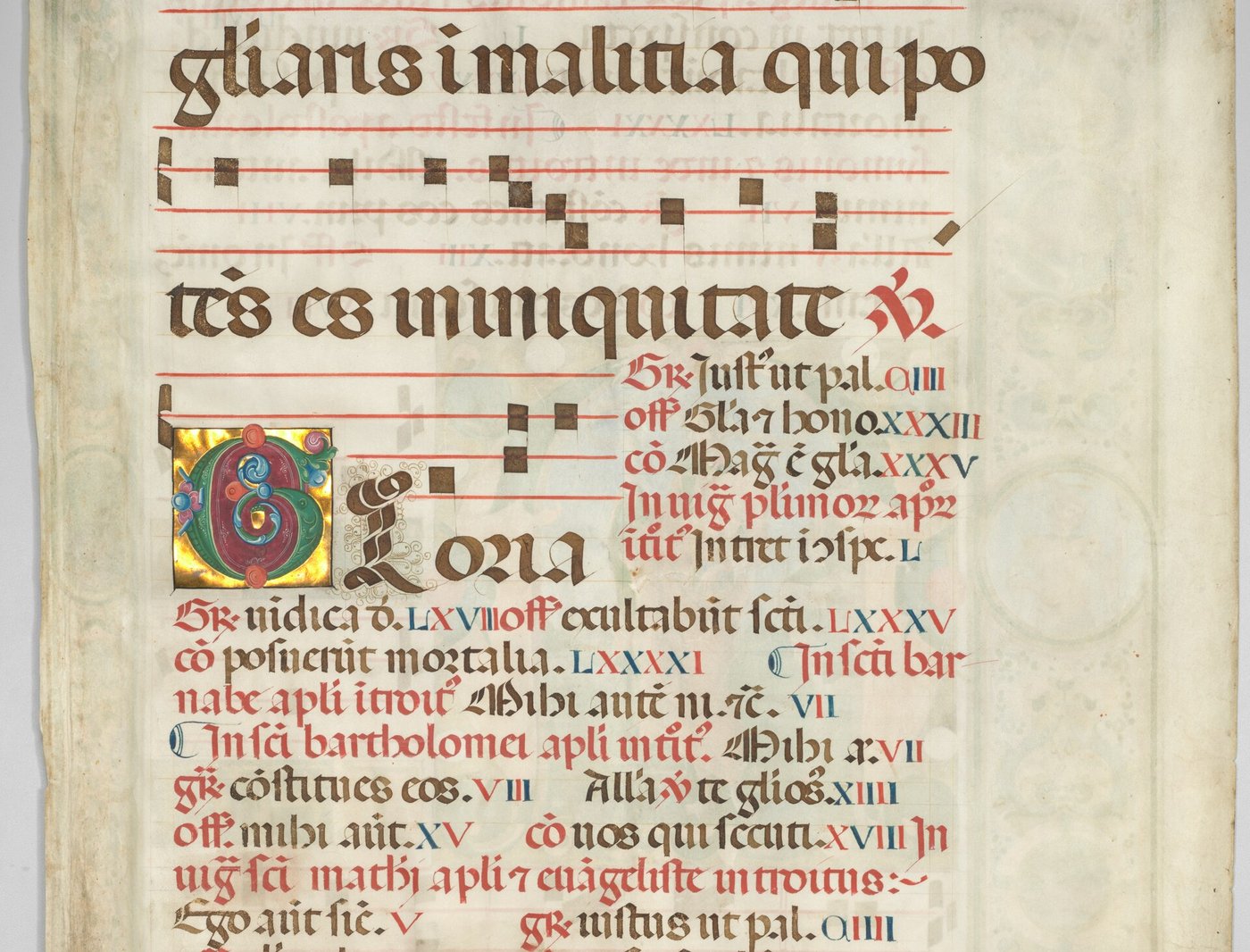
Ficino sang to a lyre in Florence in the 1480s and called it treatment, not recreation. In humoral medicine music was a substance with a quality, like a herb, and the four names outlived the theory in Nielsen and Hindemith.
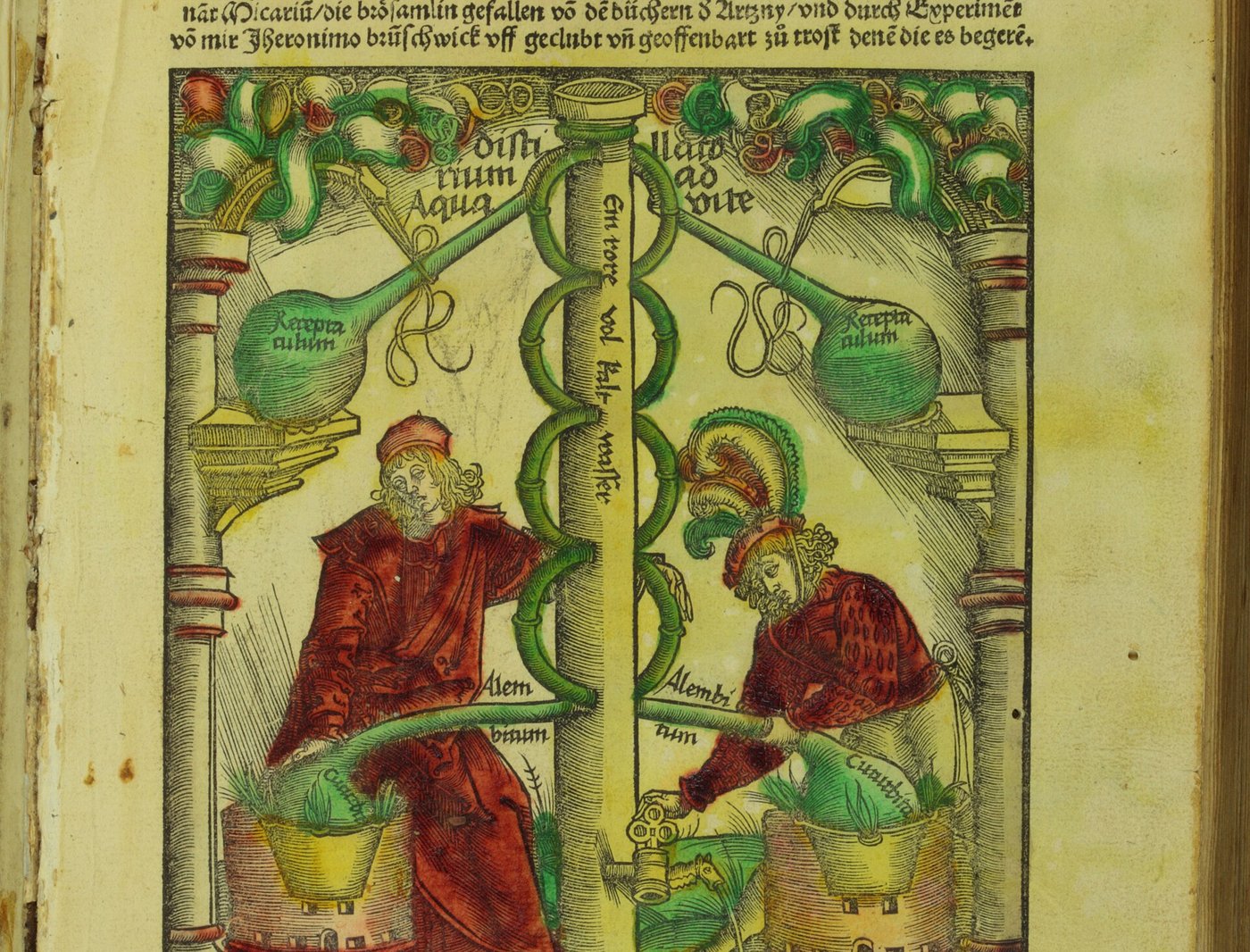
In 1527 Paracelsus reportedly burned Avicenna at Basel and lectured in German. He traded the four humors for salt, sulphur and mercury, and asked about cause rather than balance.
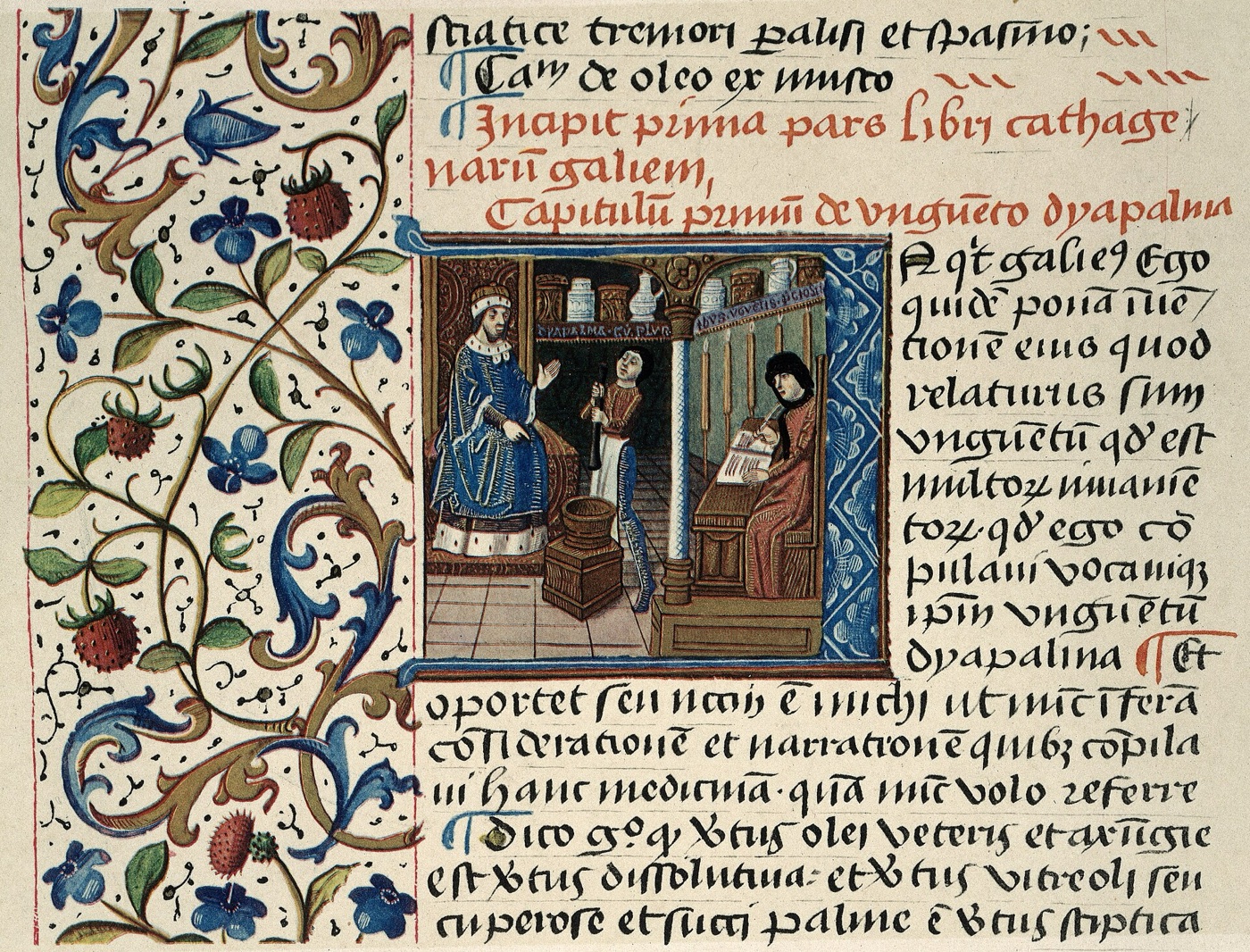
Which kinds of work fit each temperament and which quietly drain them, plus a simple way to reshape any role closer to your nature. Fit is not fate.
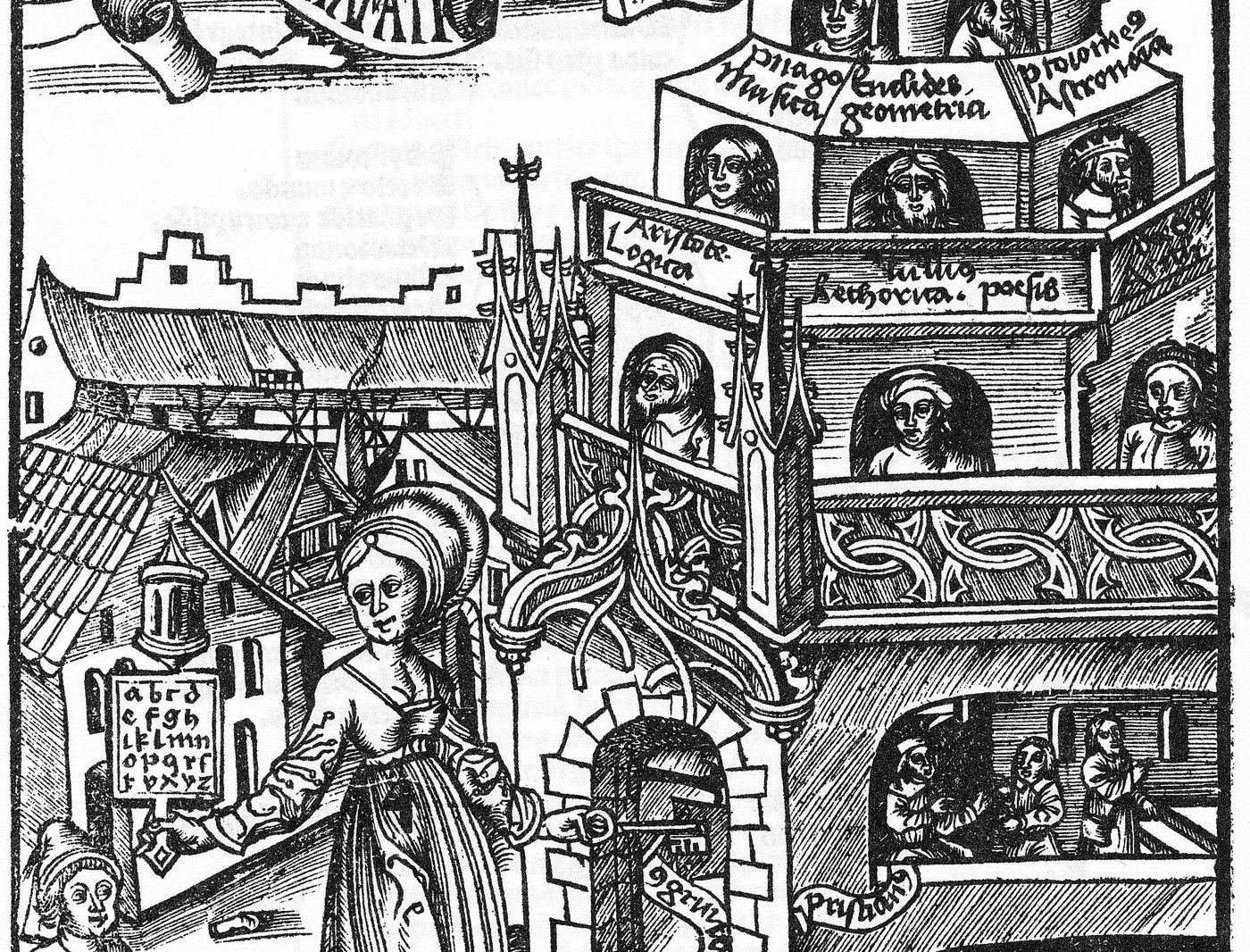
In 1598 Ben Jonson put a medical theory on stage. The four humours failed as science but survived as a language for character, from Shakespeare's melancholics to the way we still say someone is in a good humour.
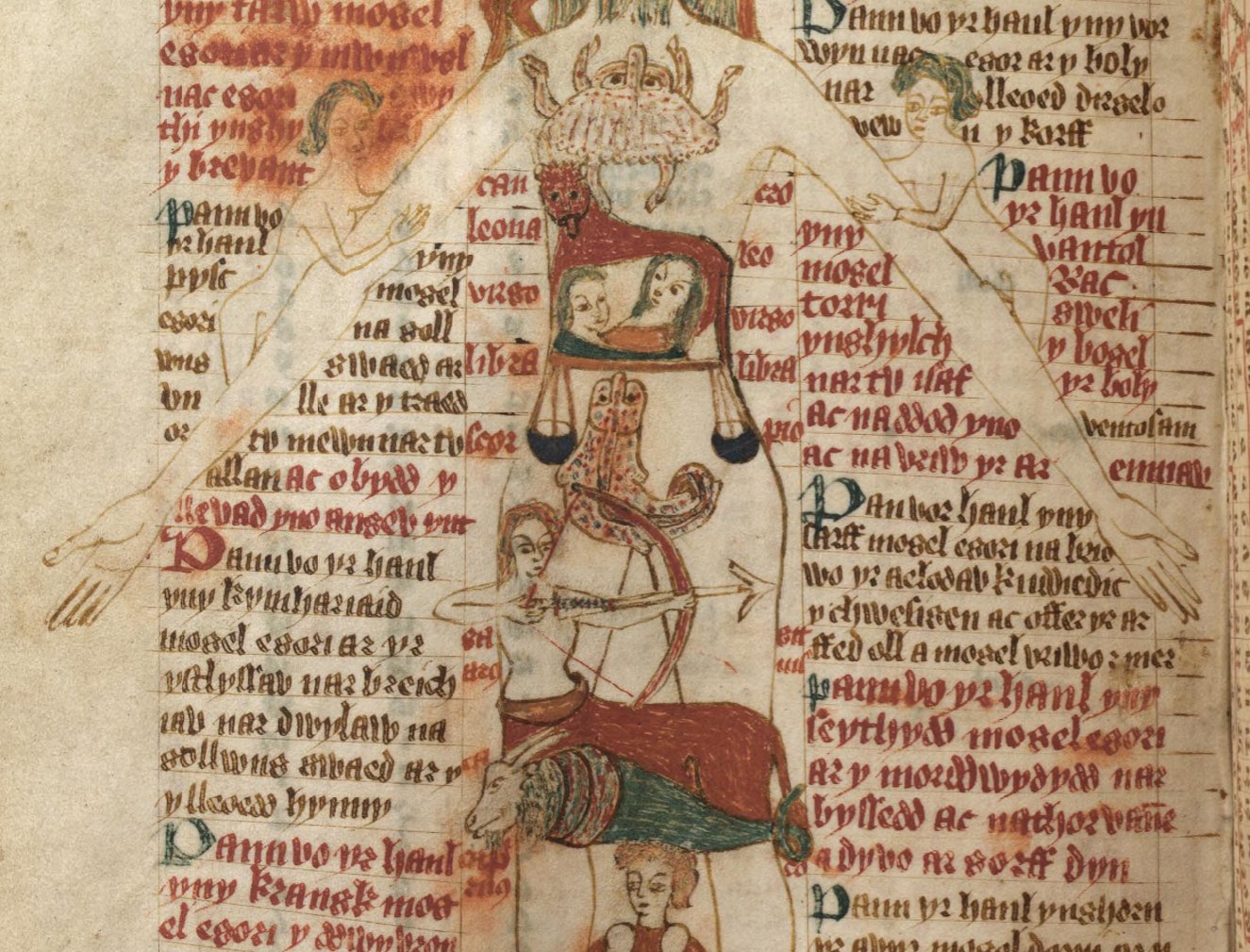
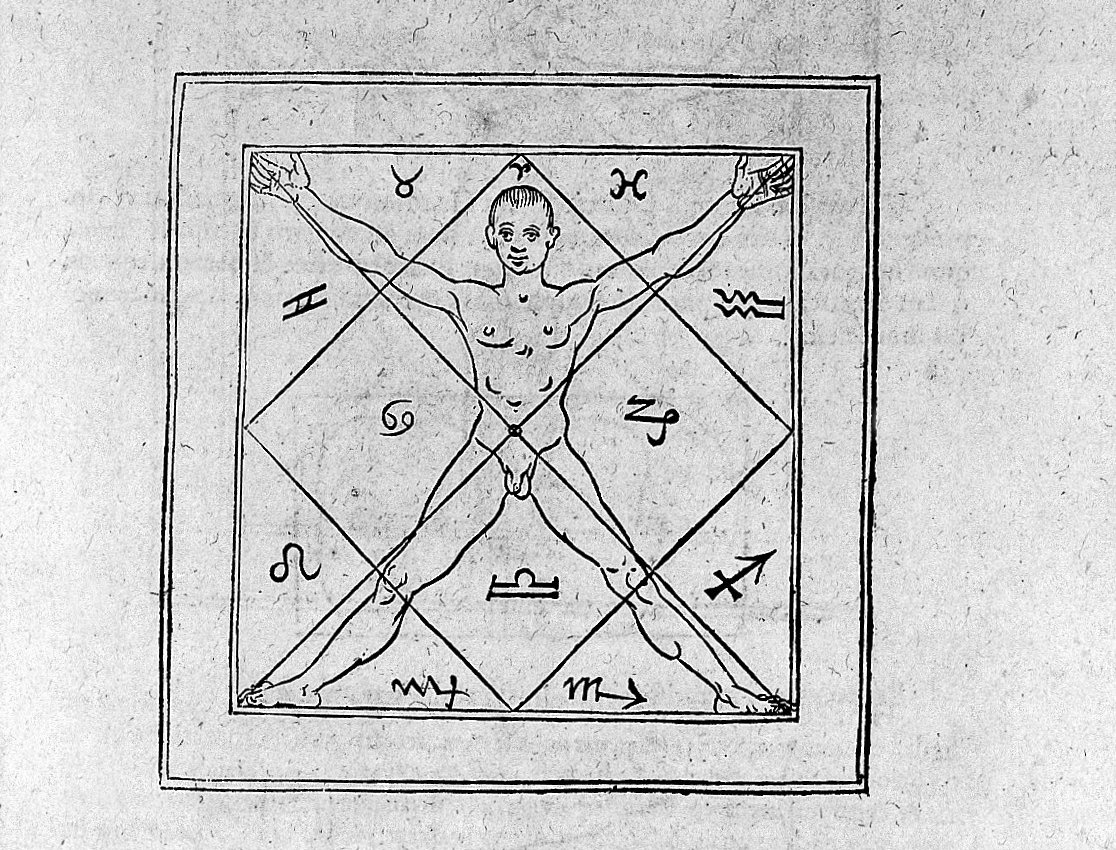
For centuries, medicine and astrology were a single craft. The zodiac man ruled the body from Aries at the head to Pisces at the feet, and the twelve signs fell into the same four elements as the temperaments.
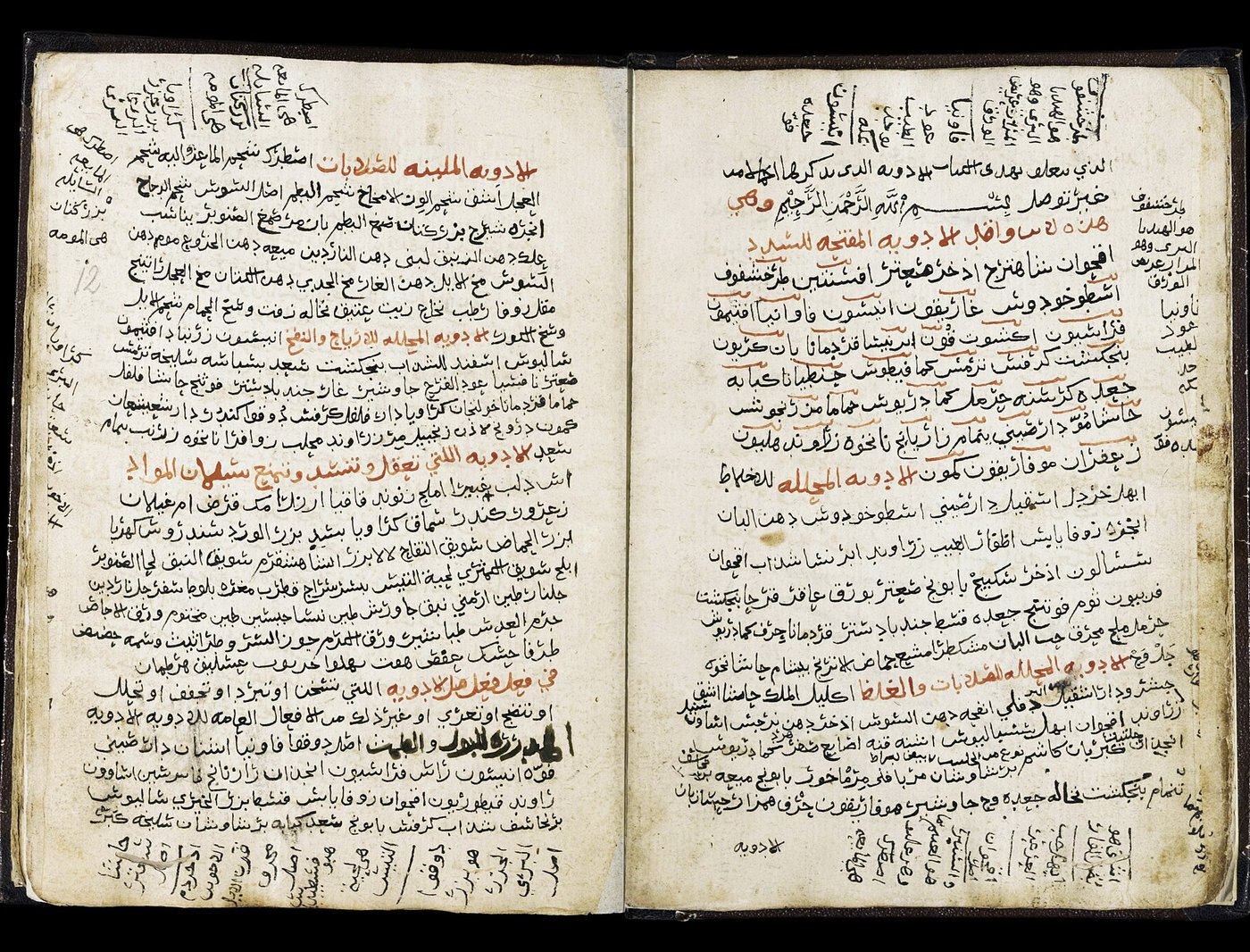
Many cultures explained temperament through elemental qualities, but Ayurveda's three doshas, Unani mizaj, and Chinese medicine's five phases are genuinely different systems, not translations of the Greek four humors.
Pressure does not create a new you. It magnifies the temperament you already carry. Here is how each type bends under stress, and one small move to steady each one.
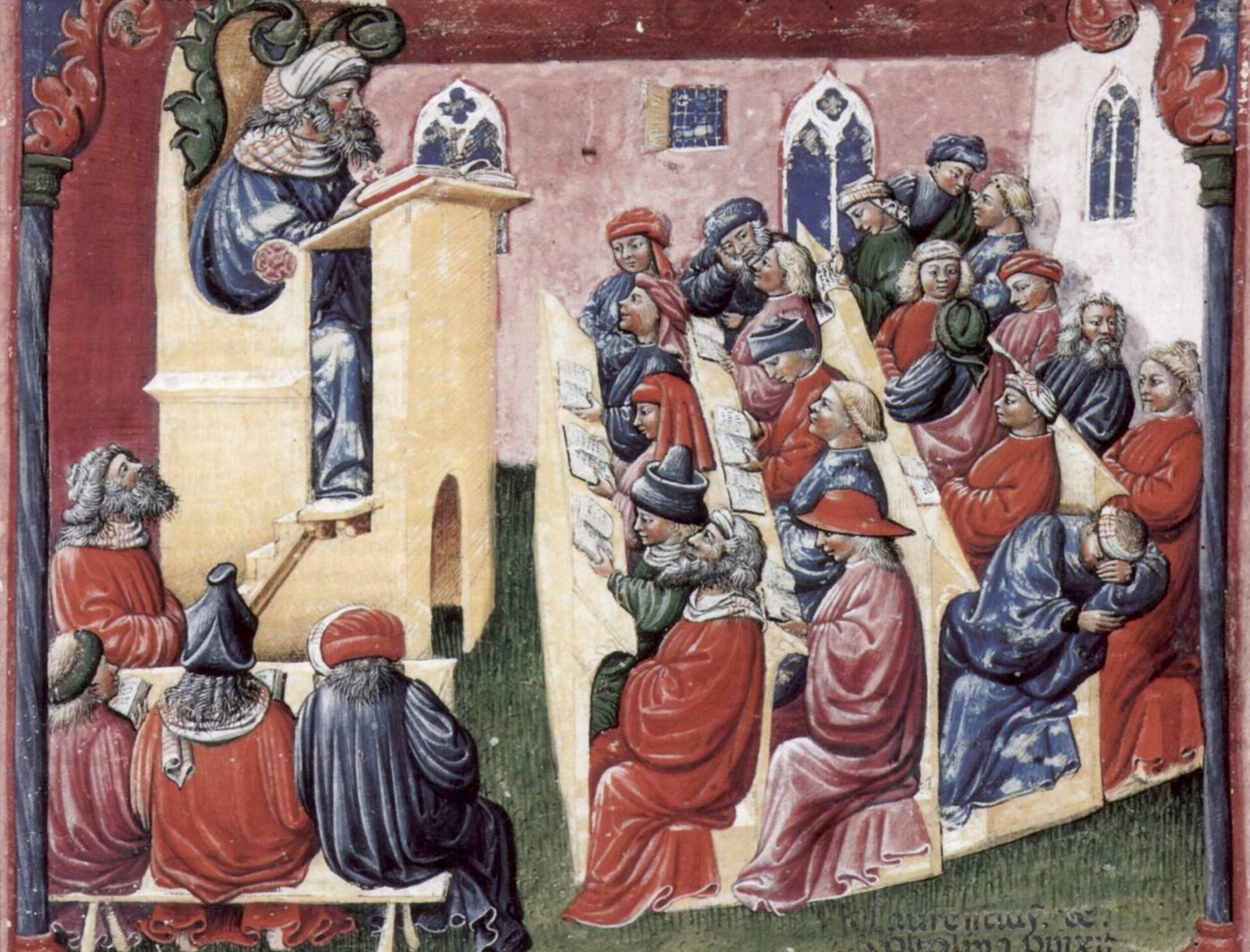
Four ways of studying and four ways of avoiding it: the sanguine talks and calls it understanding, the choleric skips the foundation, the melancholic reads one more thing, the phlegmatic never tests himself.
Some people collect friends, others keep a handful for decades. Here is what each temperament brings to a friendship, where the friction shows up, and which pairings click.
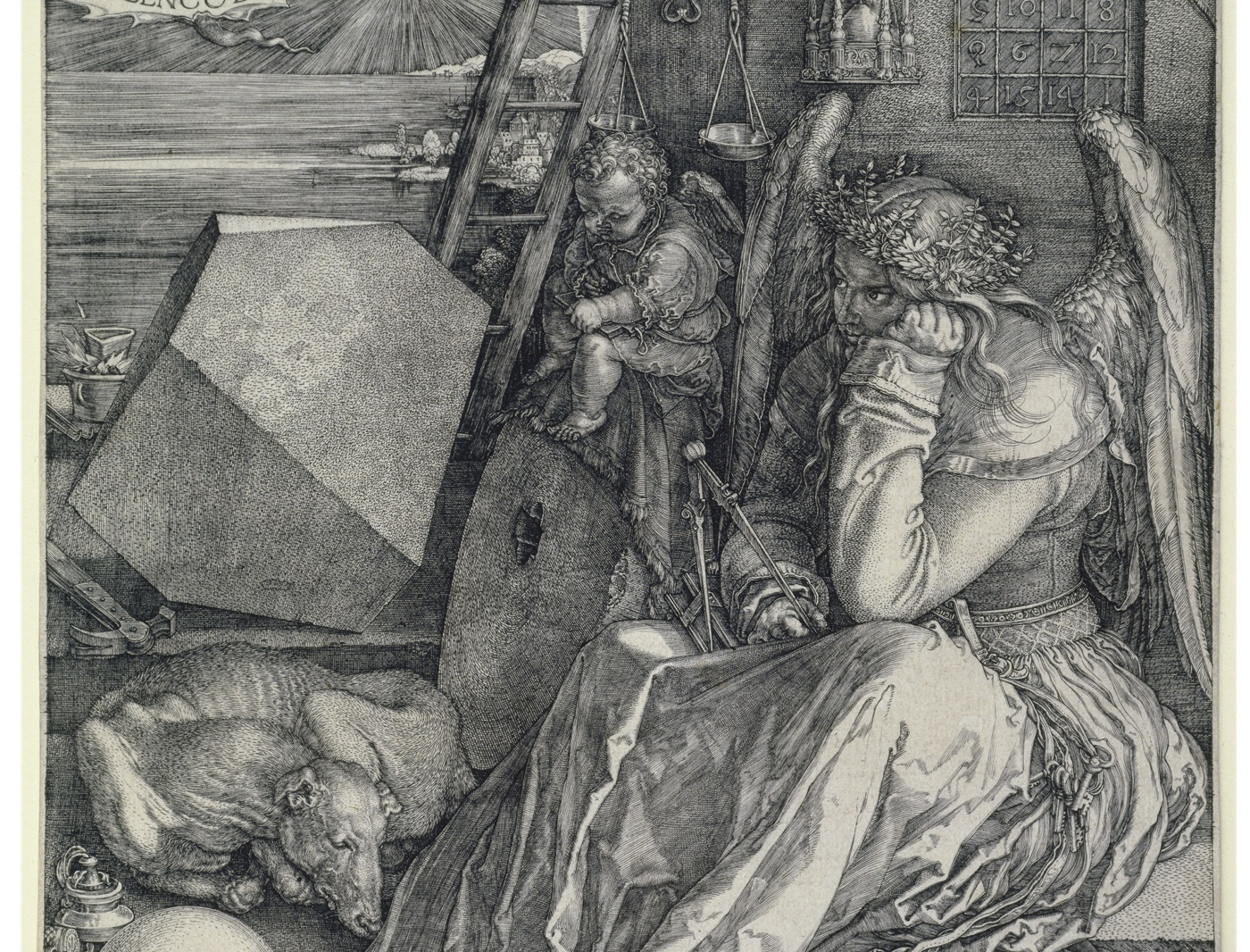
The same black bile that physicians bled out of patients was, for Ficino and Agrippa, the mark of depth and vision. This is the long idea that melancholy is the temperament of genius, traced from pseudo-Aristotle to Duerer's stalled angel.
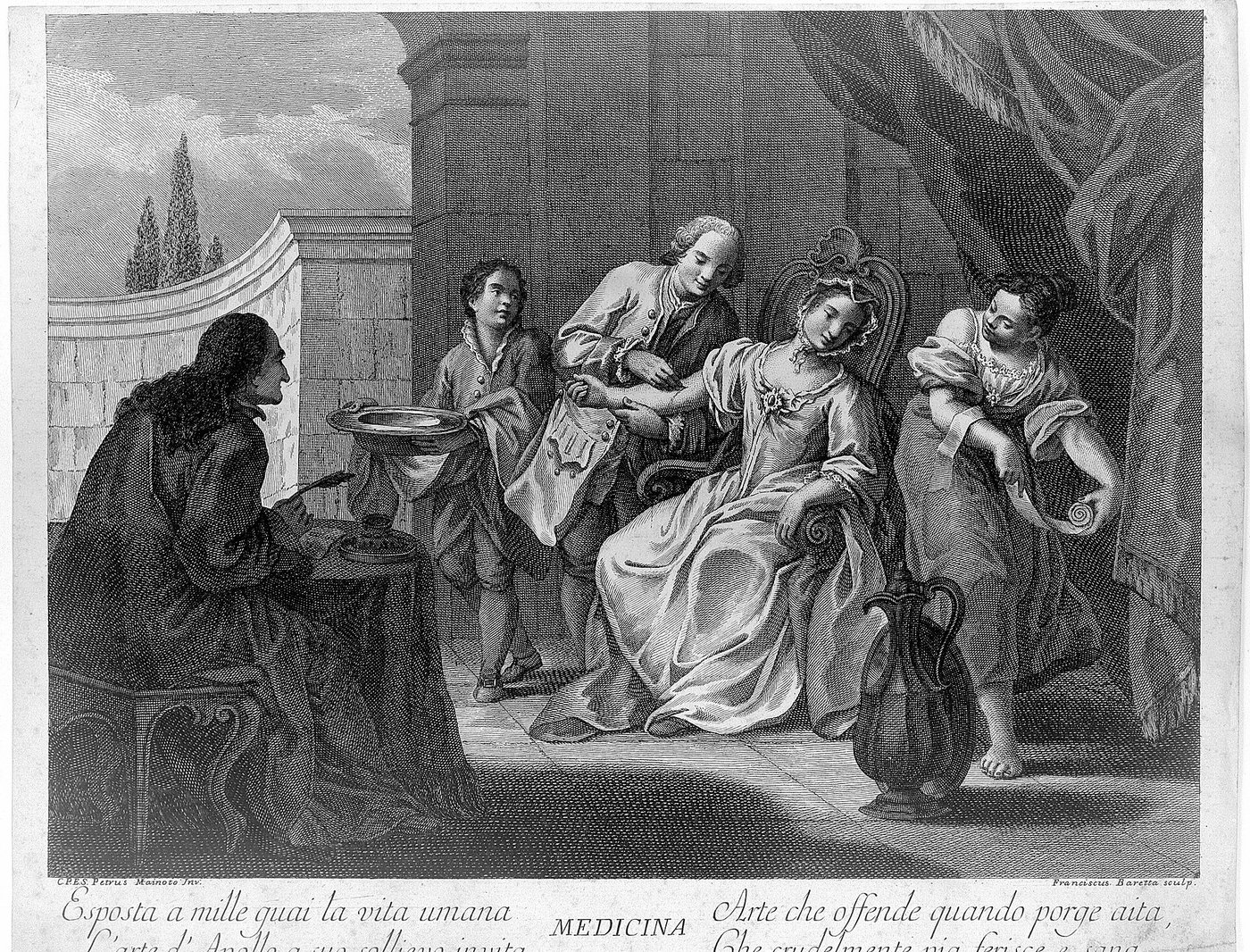
For two thousand years, a body out of balance was something to bleed, purge, or carefully manage. Here is how it was actually done, and why medicine left it behind.
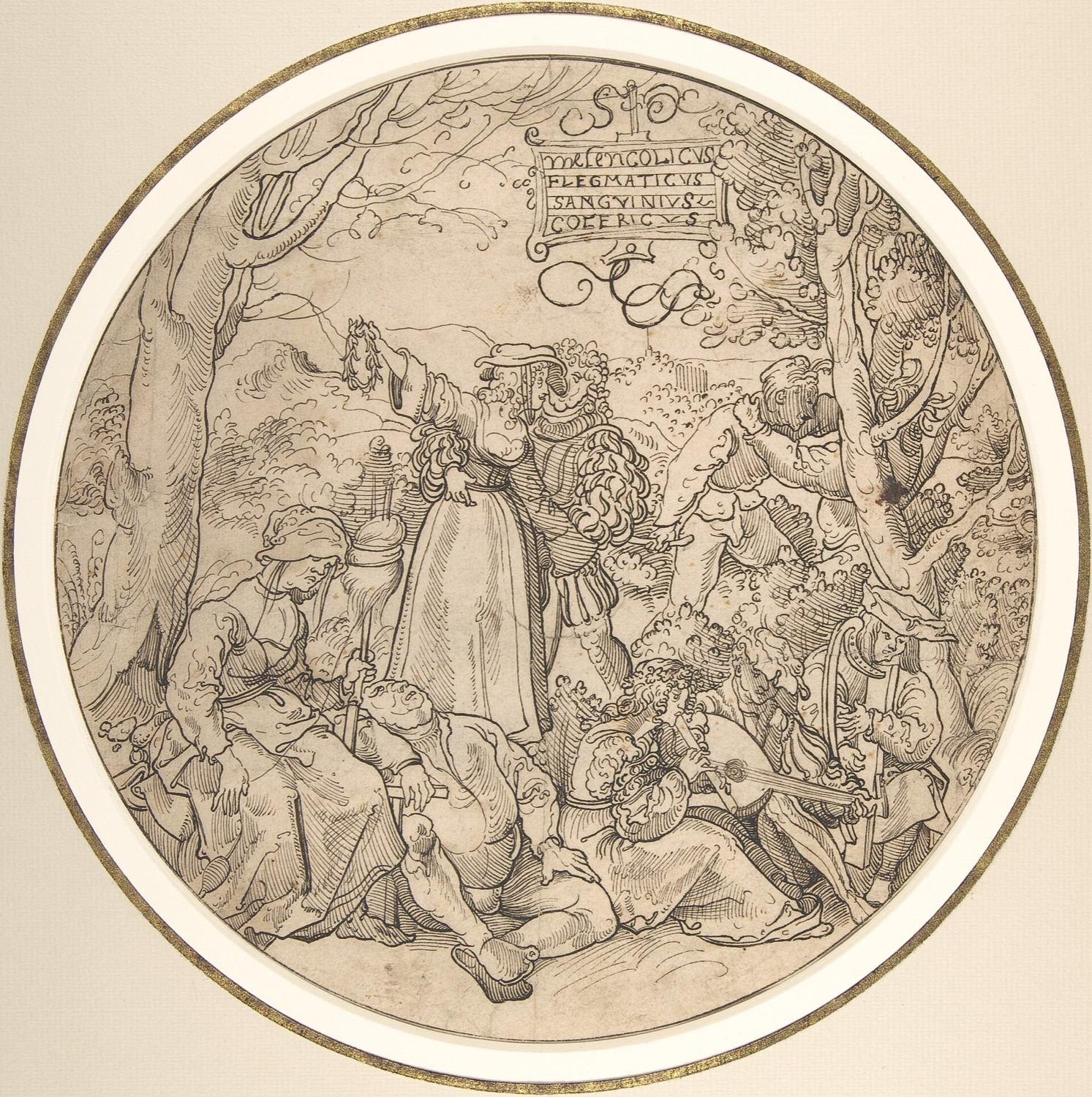
A plain guide to sanguine, choleric, melancholic, and phlegmatic: where the idea comes from, what each type is like, and why most of us are a blend.
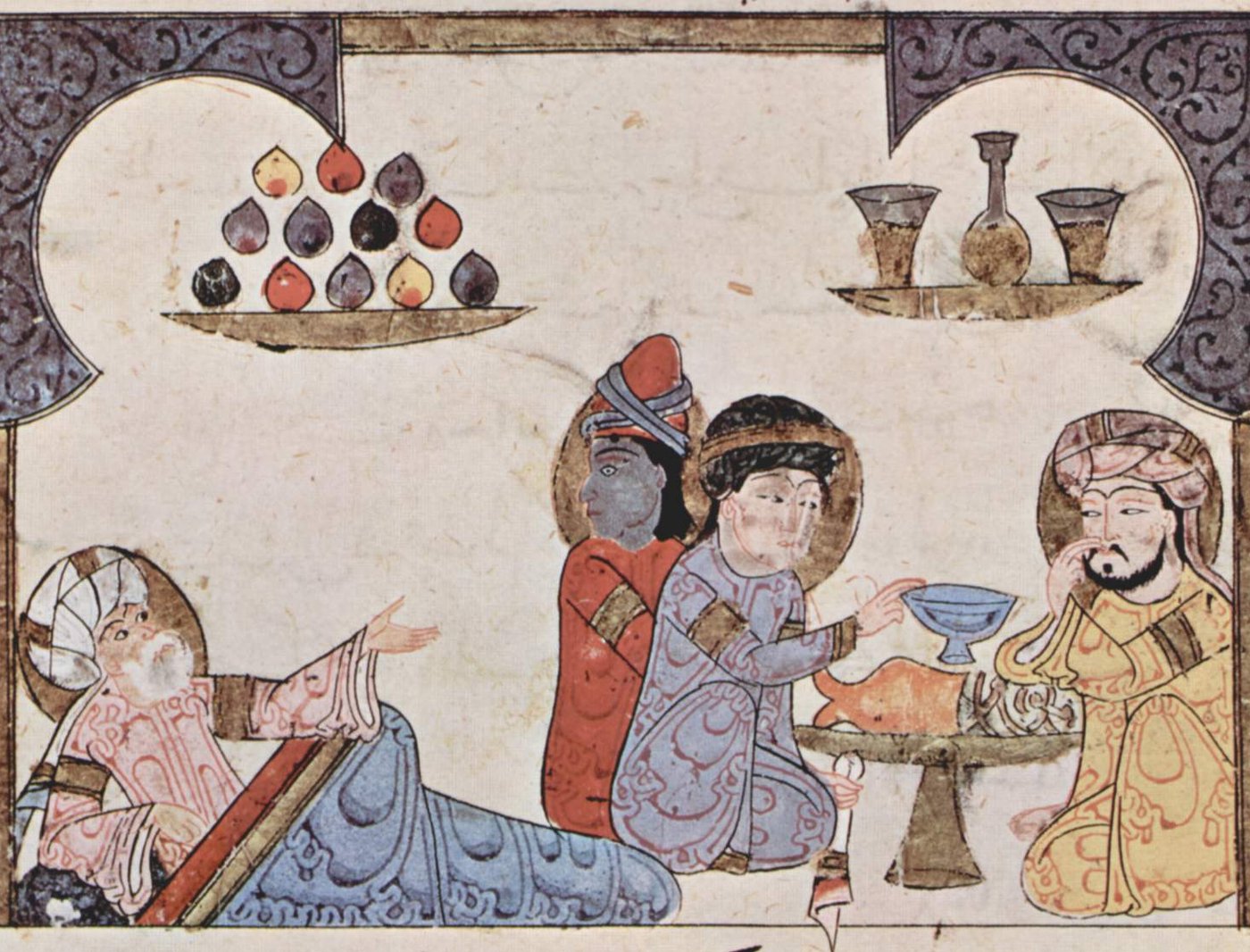
Sanguine refills on people, choleric mistakes a new project for a break, melancholic needs solitude, and phlegmatic rests so well it forgets to start again. Copying someone else's way of recharging is why you finish a weekend still tired.
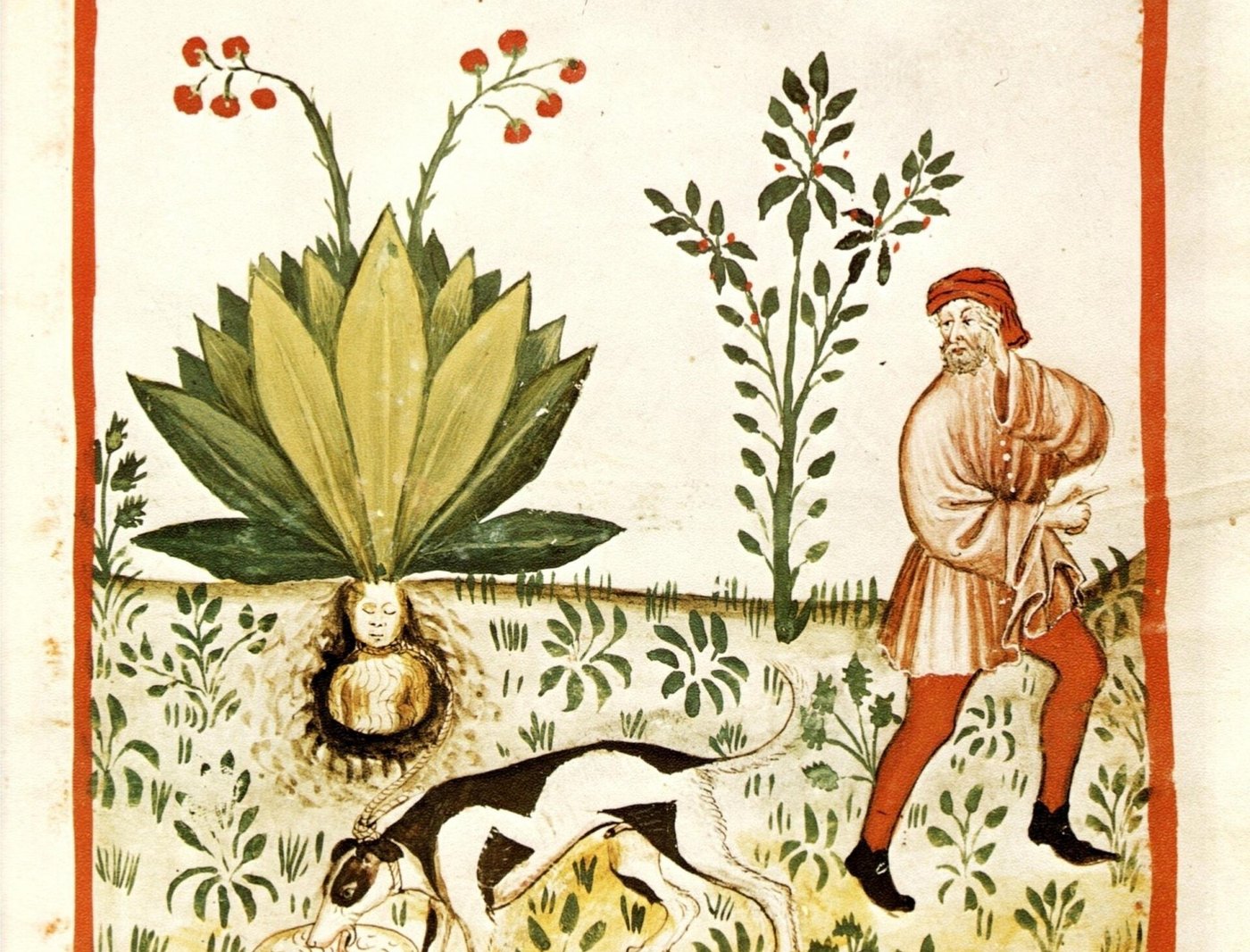
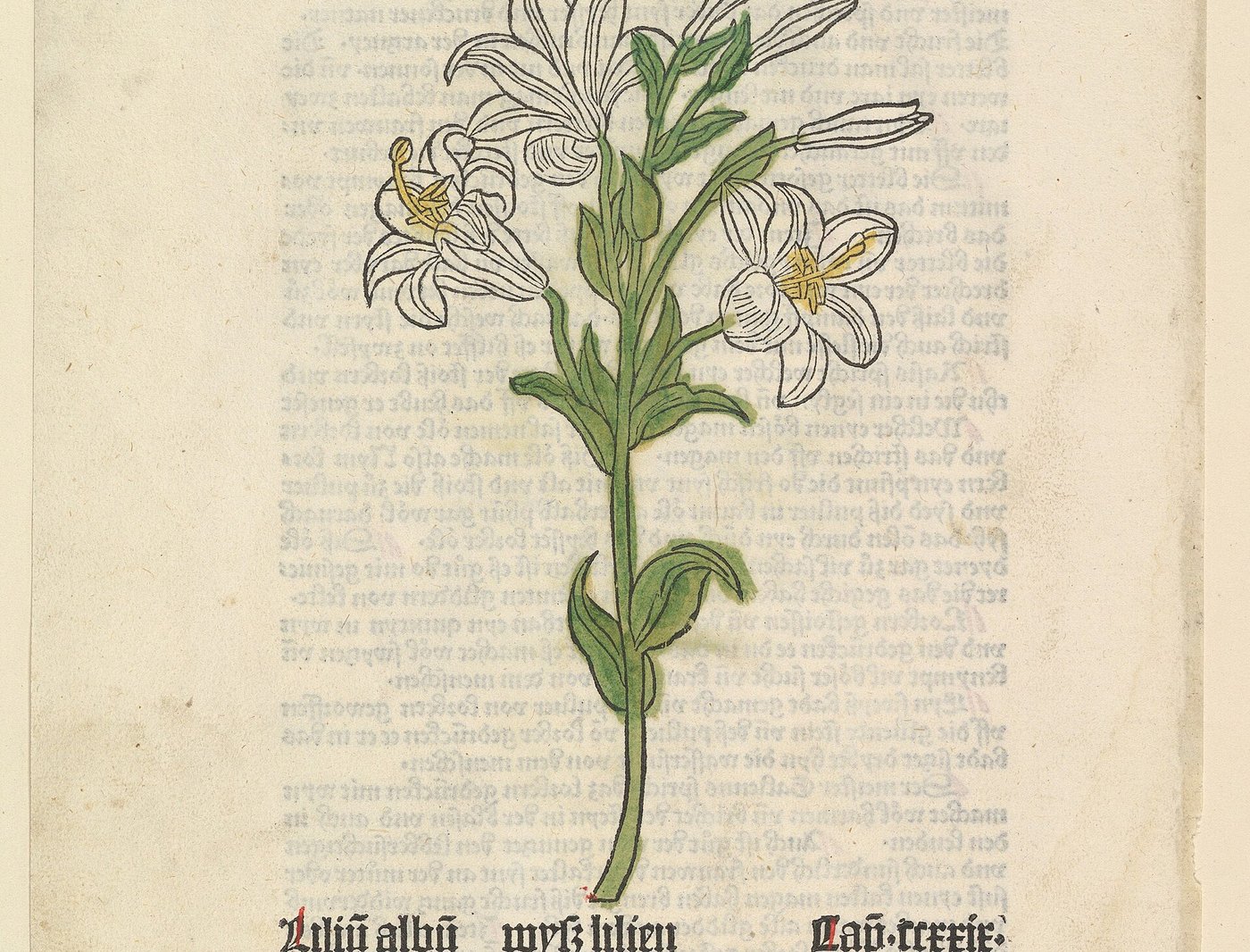
In the medieval pharmacy every plant was hot, cold, wet, or dry, and prescribed to push a body back toward balance. Here is how that worked, herbals and screaming mandrake and all.
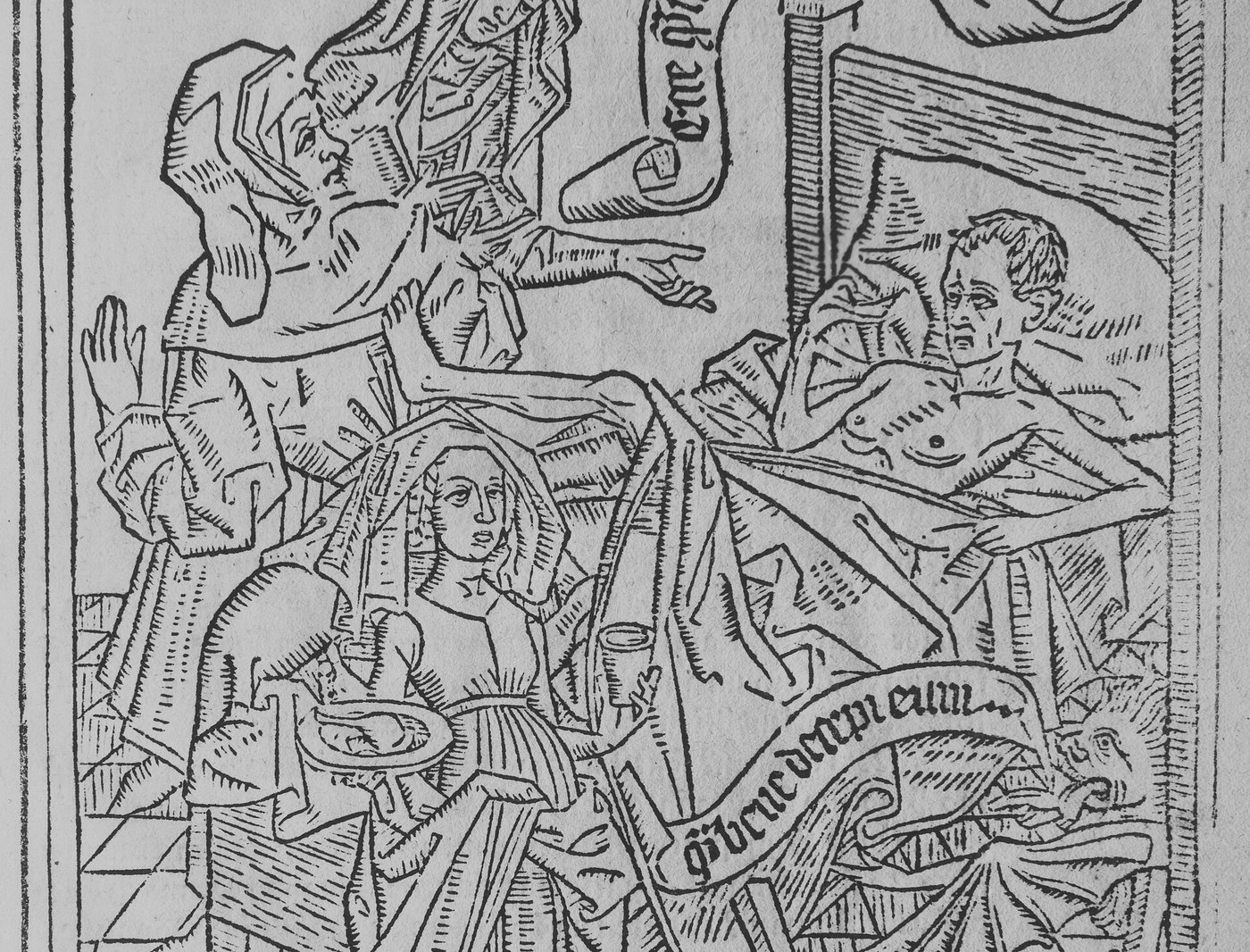
The old tradition gave every temperament a besetting vice. The sanguine who breaks promises, the choleric who bullies, the melancholic who despairs, the phlegmatic who takes no side, and why you know your type best by its failures.
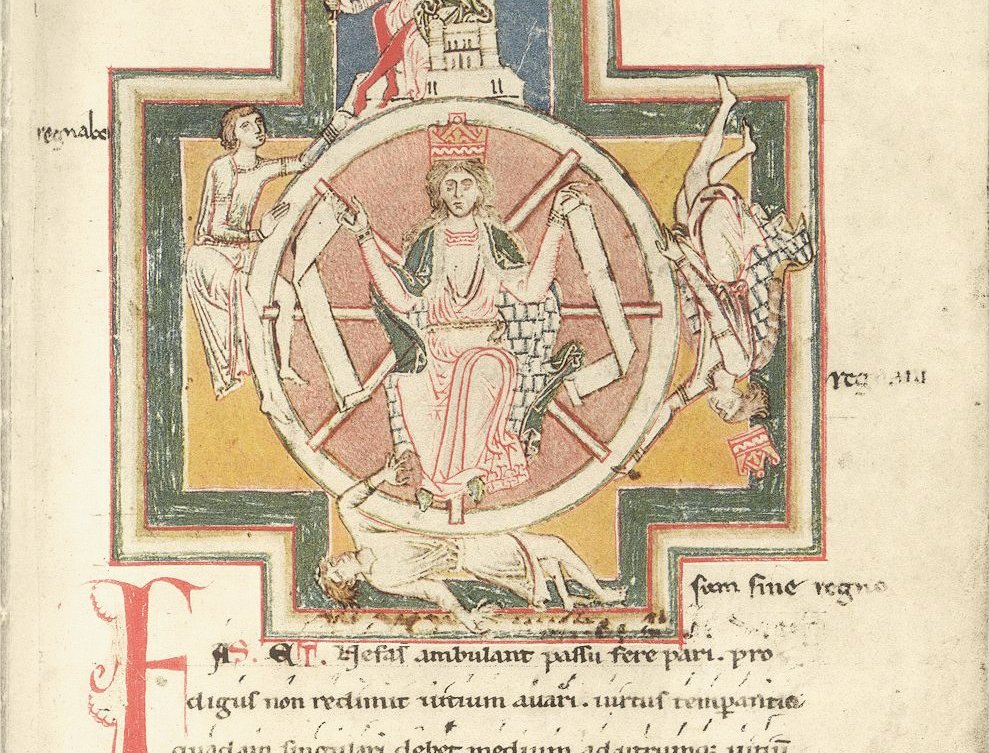
In 1798 Kant kept the four temperaments and threw out the fluids underneath them. Wundt and then Eysenck turned what he left behind into two crossed axes, which is how Galen's four names ended up on a modern personality diagram.
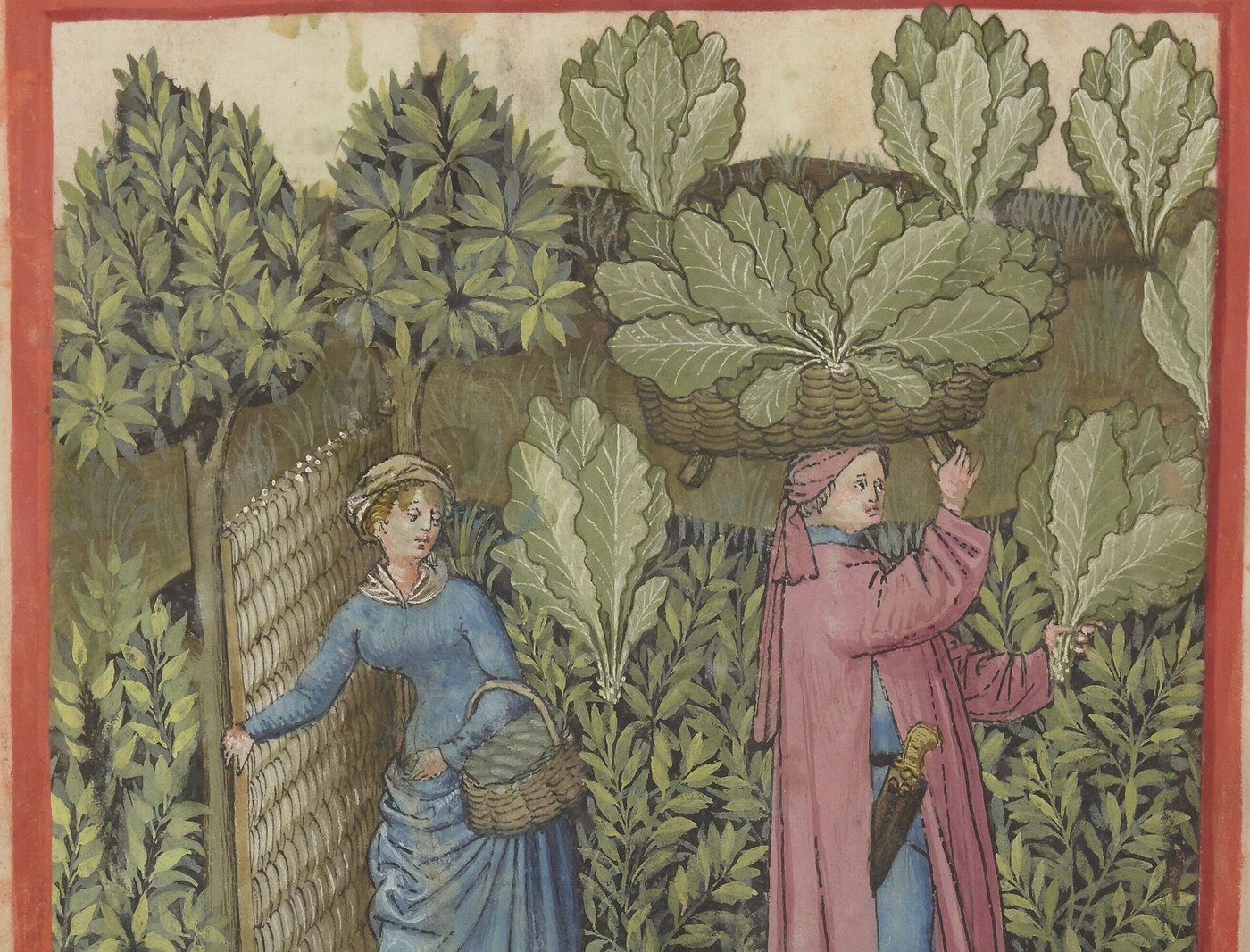
For centuries, every apple, cut of meat, and cup of wine carried a hidden nature, and eating well meant eating to keep yourself in balance.
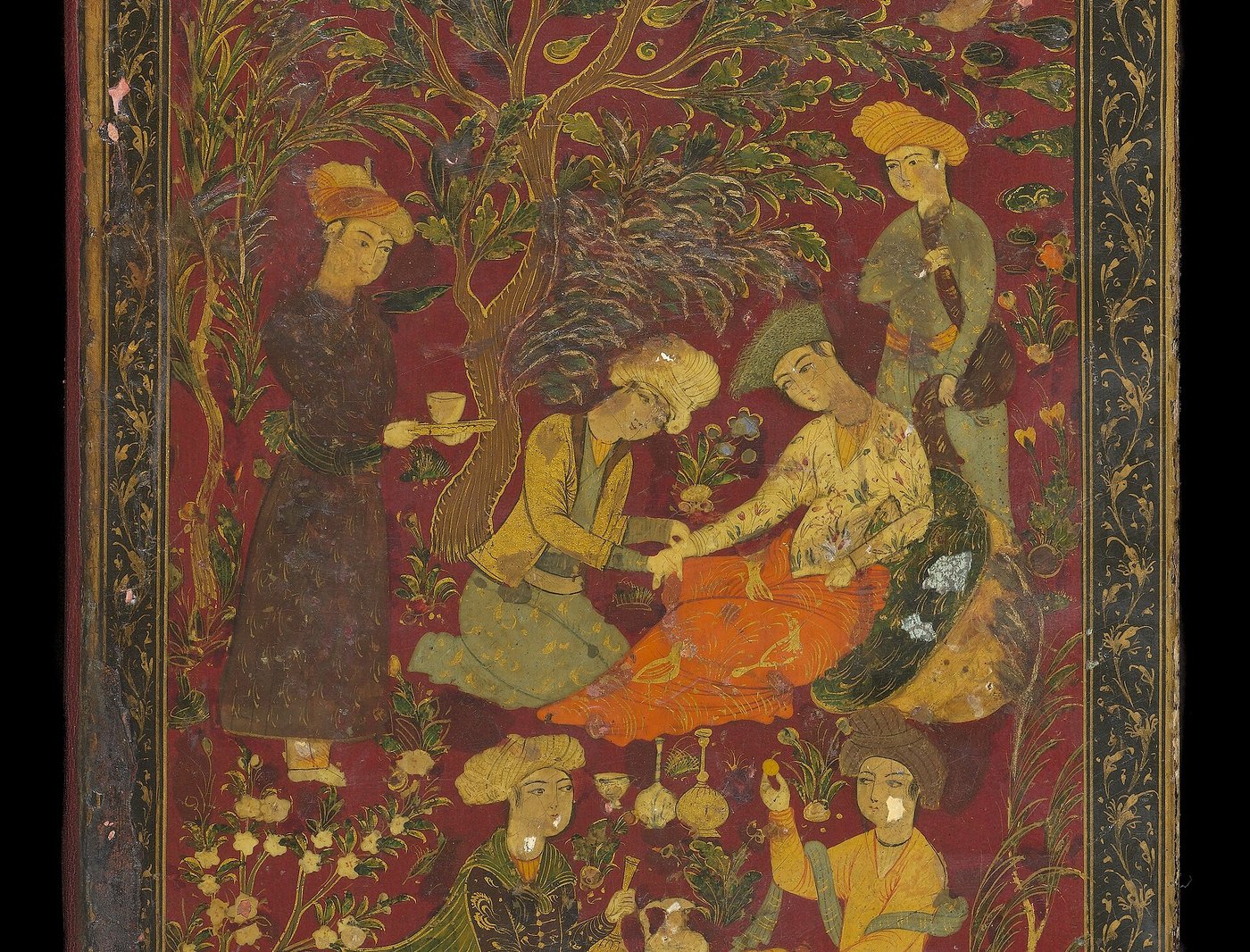
The sanguine falls fast and says so early, the choleric proves it by fixing your car, the melancholic falls slowly and keeps a quiet ledger, and the phlegmatic is easy to love but hard to read.
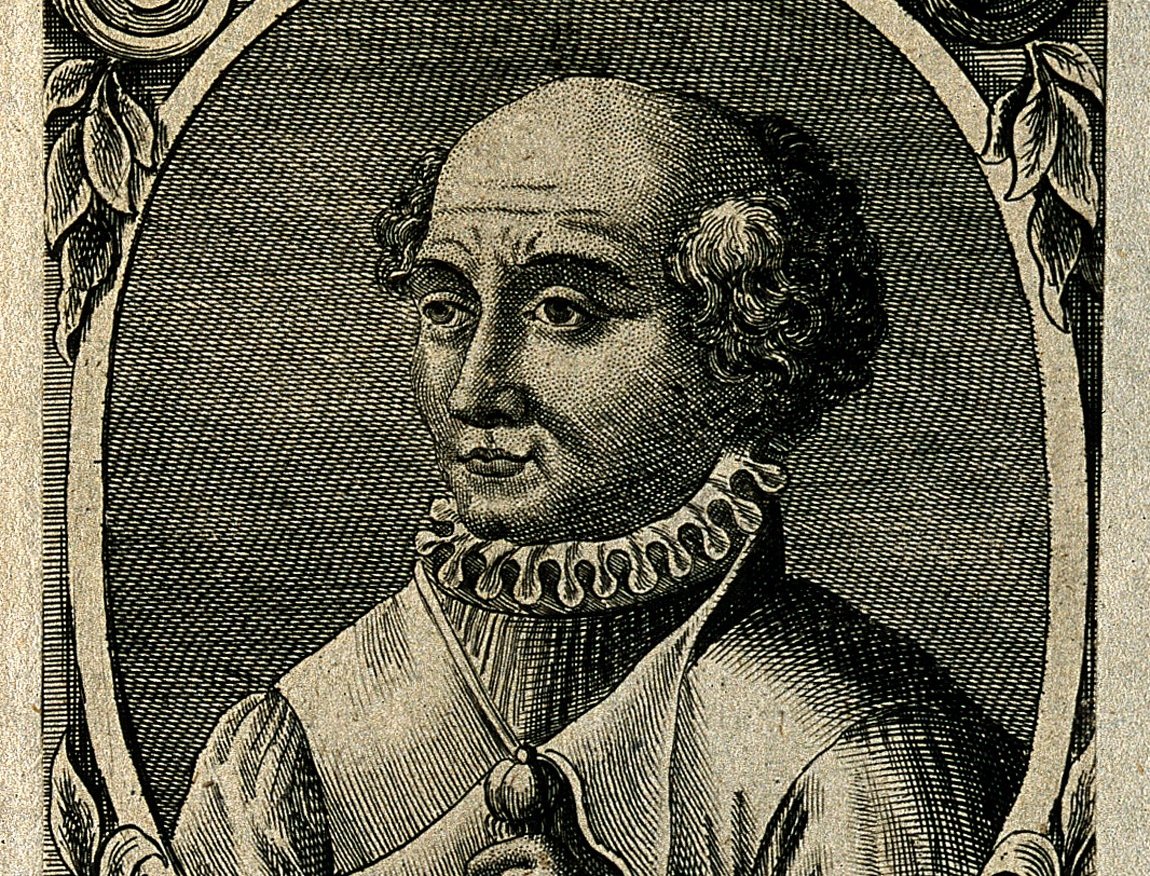
Colour, warmth, hair, flesh, the pulse, the look of the eye. A physician once read the mixture straight off the body, and the shortcut ran from Galen to della Porta's woodcuts to Lombroso's born criminal.
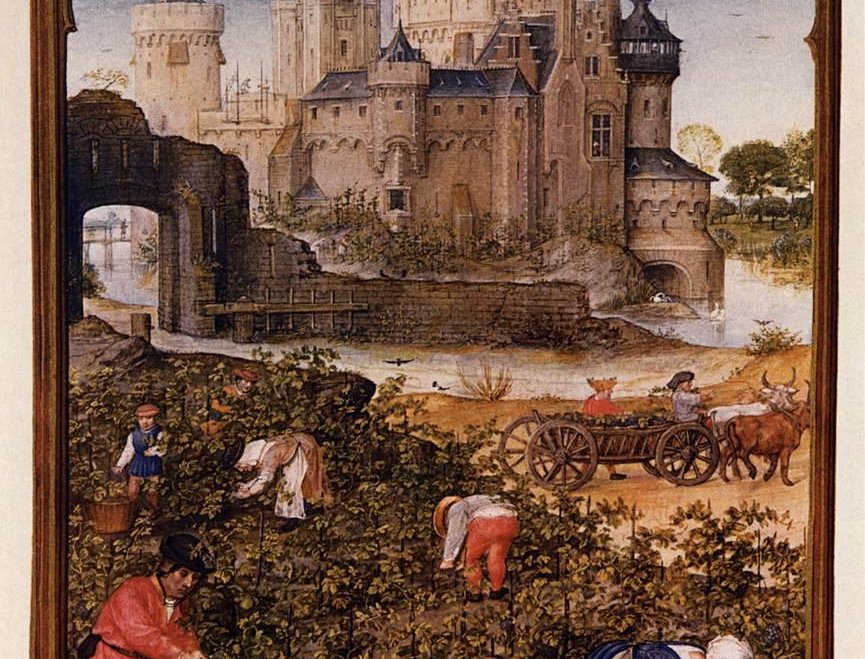
Most habit advice was written by one temperament for itself. Here is why streaks and willpower fail the sanguine, choleric, and melancholic, and the tactic that fits each nature instead of fighting it.
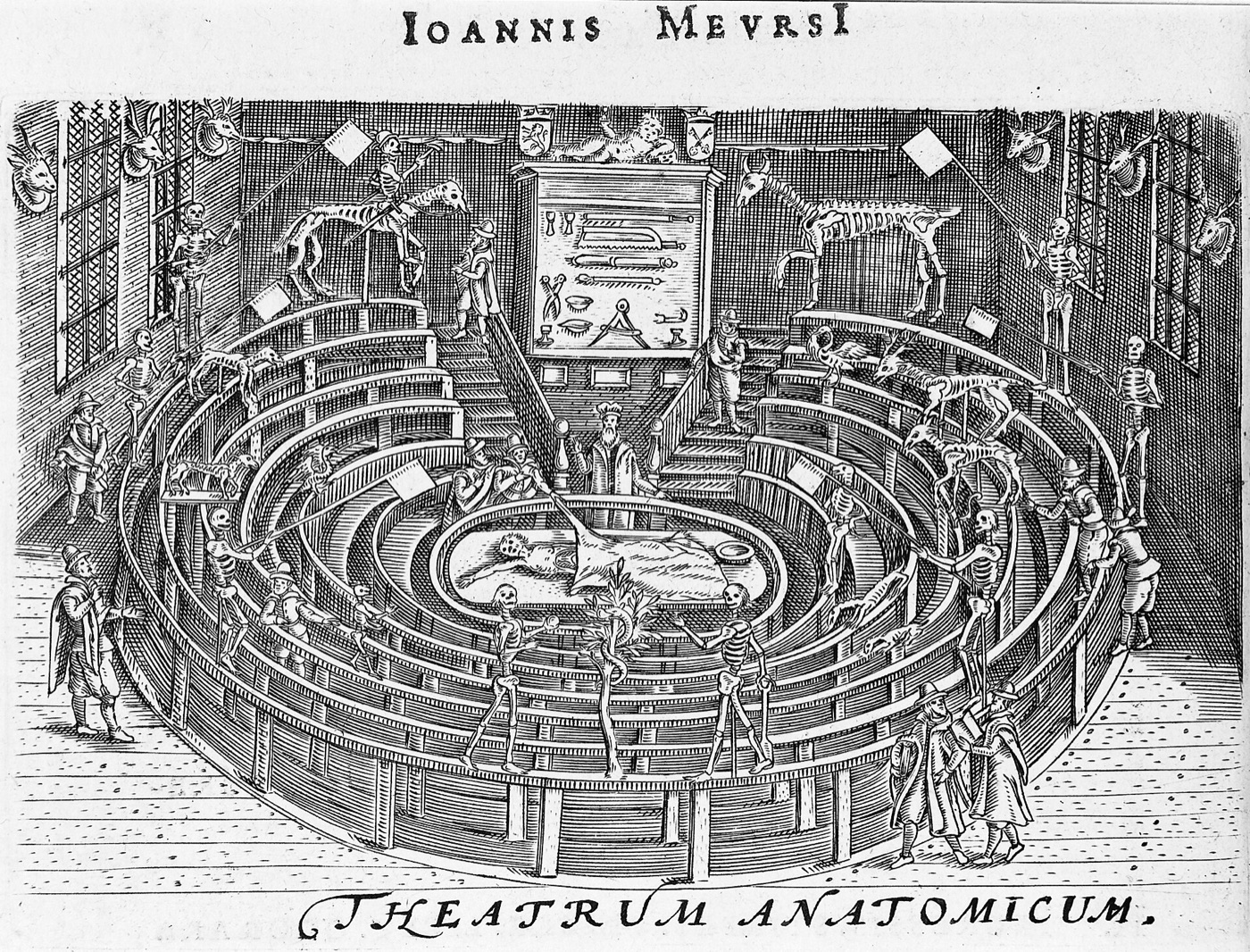
Which roles fit each temperament, how the four types clash in a team, and how to build a group where every nature does its best work.

From Hippocrates to Avicenna to the Renaissance: how a theory of bodily fluids became a lasting map of human character.
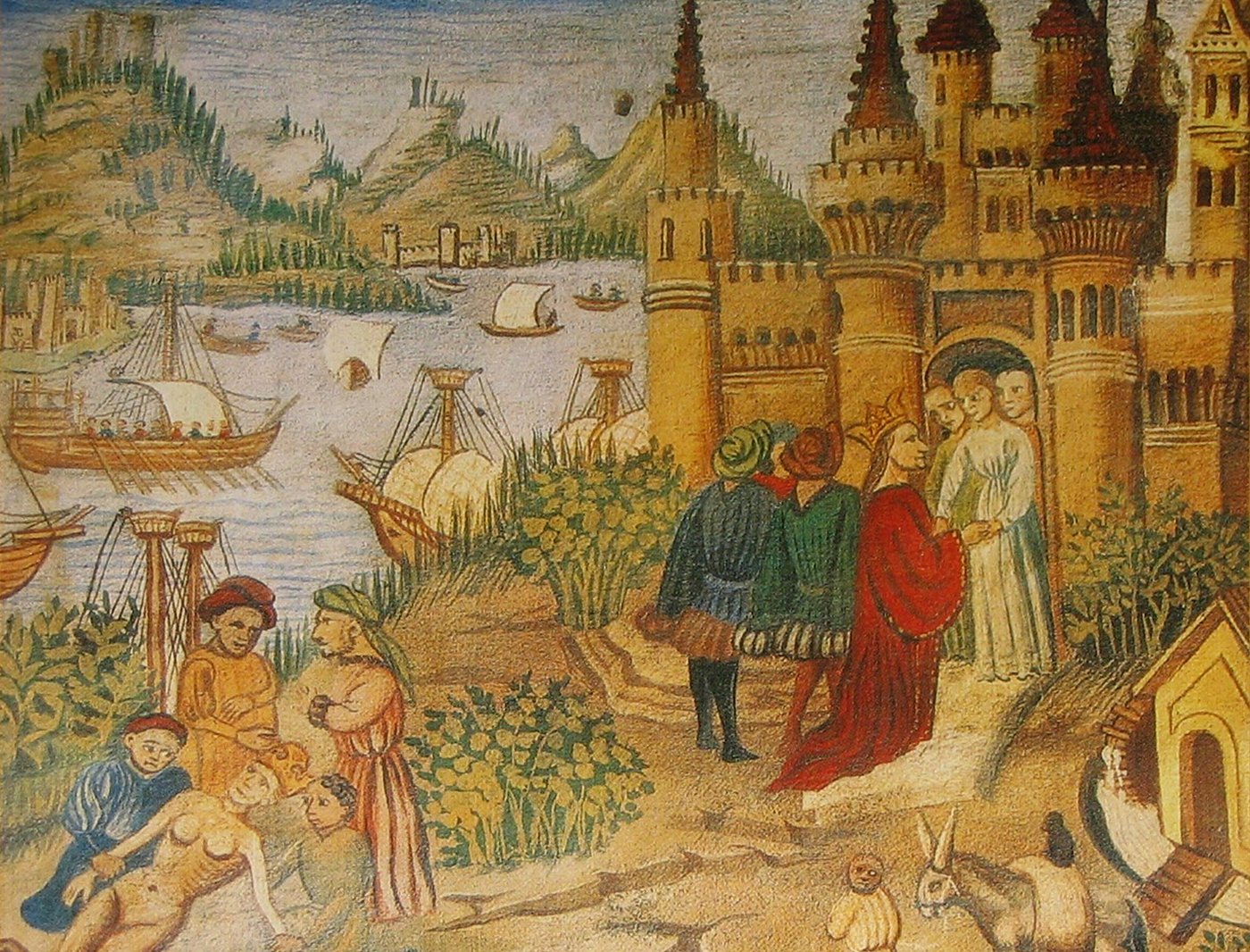
On the Tyrrhenian coast south of Naples, a town of doctors became the first medical school in western Europe, the place where Galen's humors came home to the Latin world.
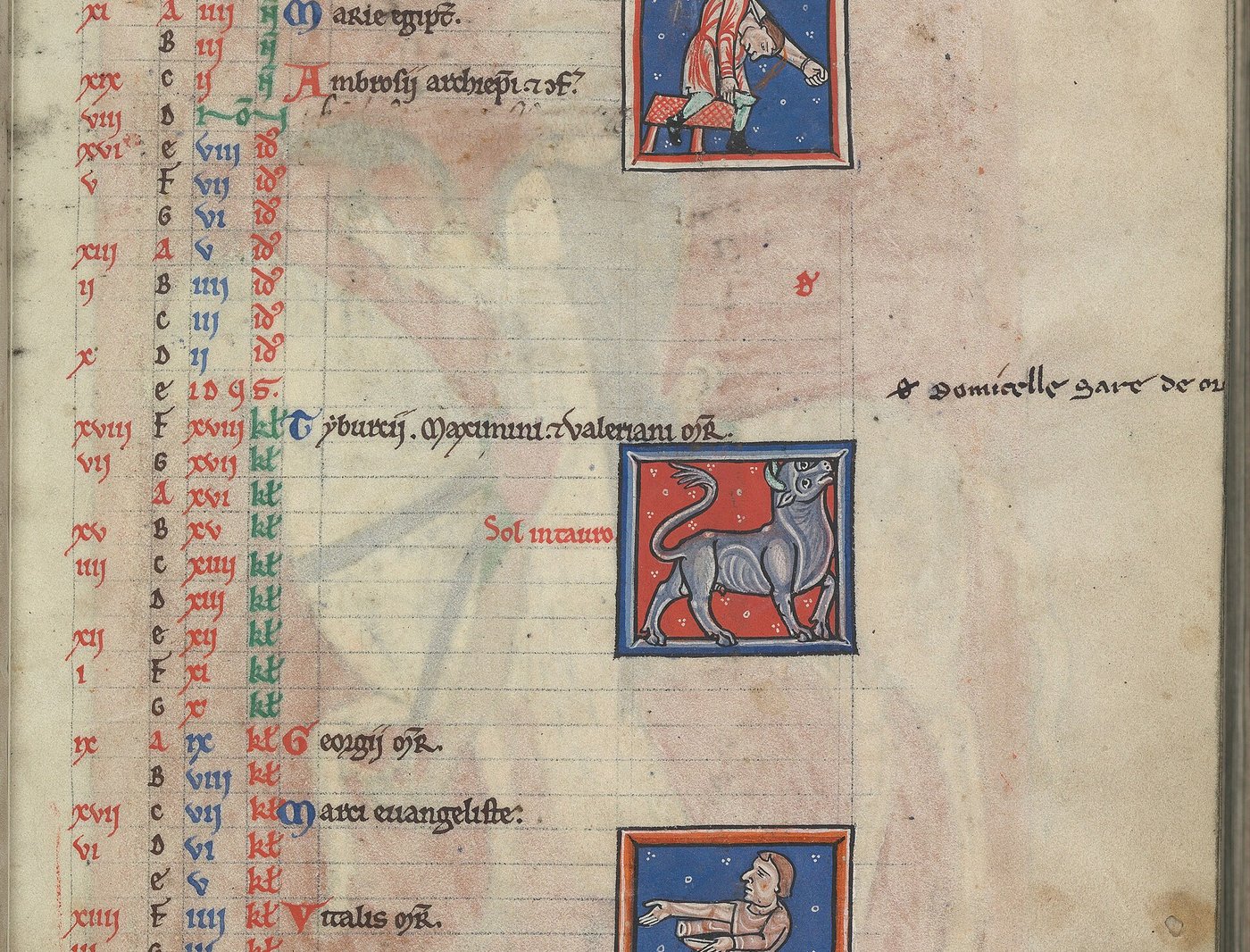
The old tradition read a whole life the way it read a year. Sanguine spring, choleric summer, melancholic autumn, phlegmatic winter, each humor taking its turn.
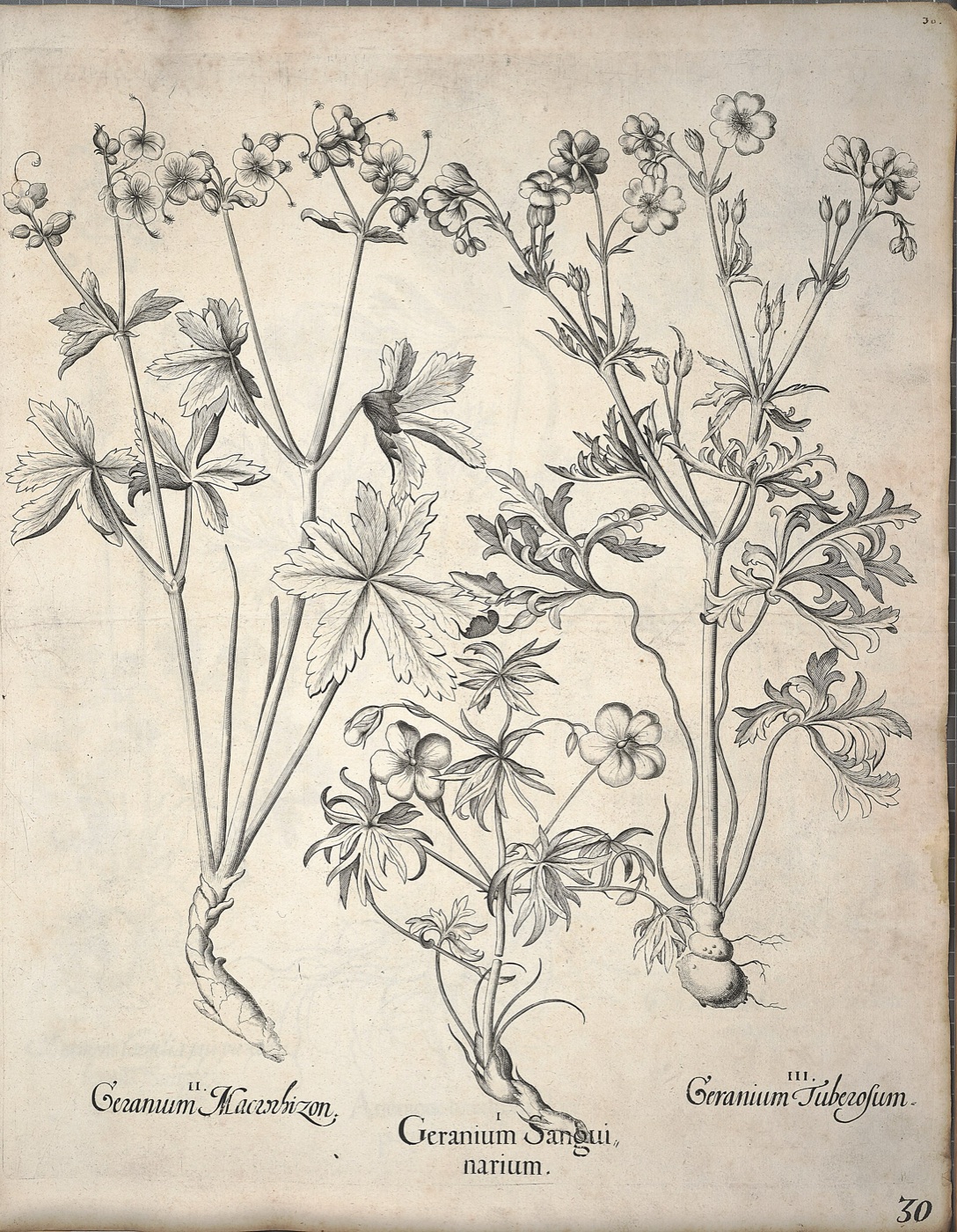
Your core nature stays with you, but its edges are yours to shape. What you can change, what you cannot, and how to grow without fighting yourself.
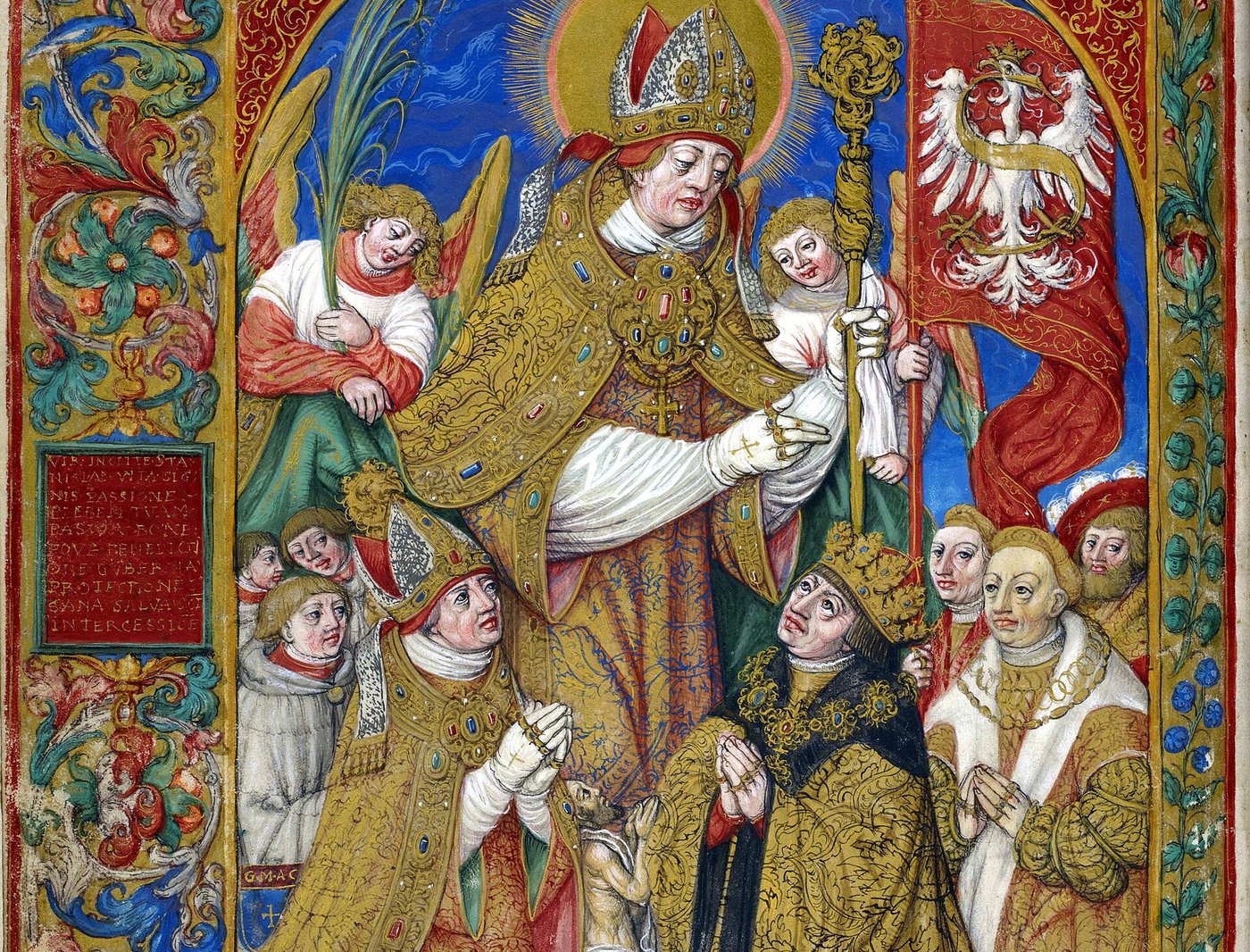
Each temperament has a real strength in charge and a matching cost that lands on someone else. Here is what the four look like from underneath, and one concrete thing each can do differently.
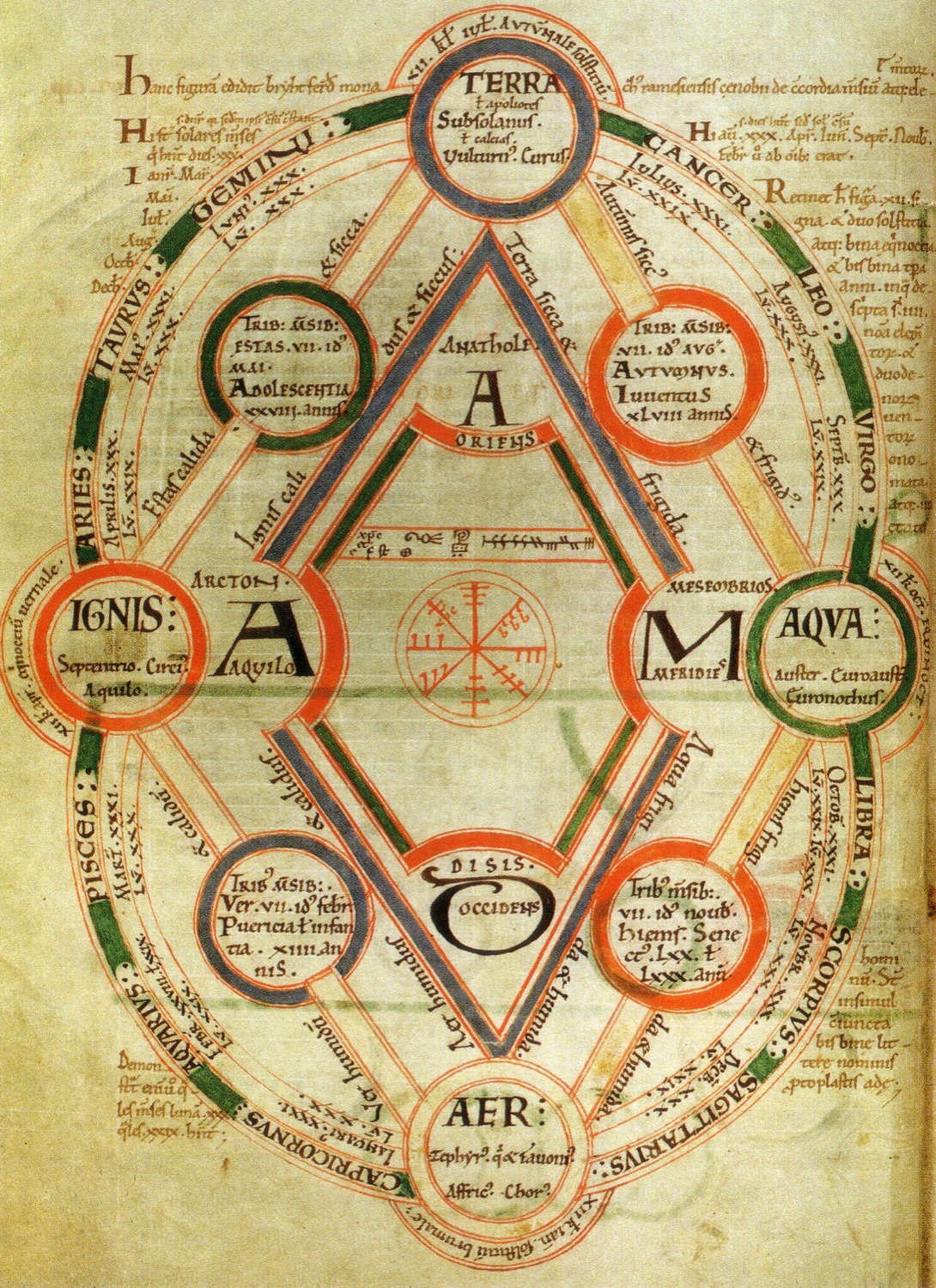
How each temperament loves, which pairings tend to spark or soothe, and how to meet a partner whose nature is not your own.
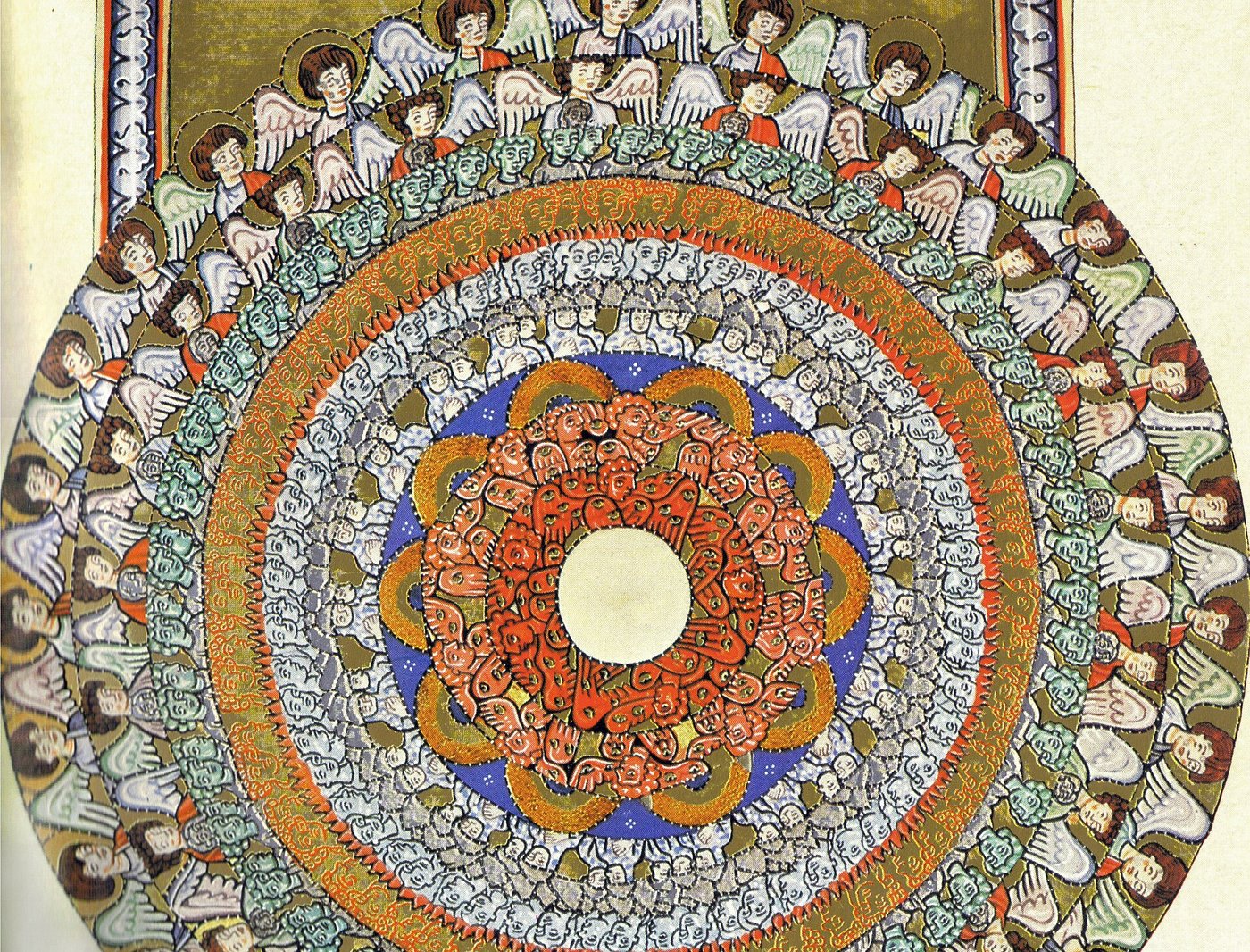
One of the few women whose scientific voice survives from the twelfth century, Hildegard of Bingen wrote about the four humors and bound them to her own greening vision of body, soul, and world.

A medieval doctor held a glass of urine to the light, felt for the character of a pulse, and read your build and habits, all to guess the balance of humors within. Here is how that art worked, and how a modern quiz quietly inherits it.
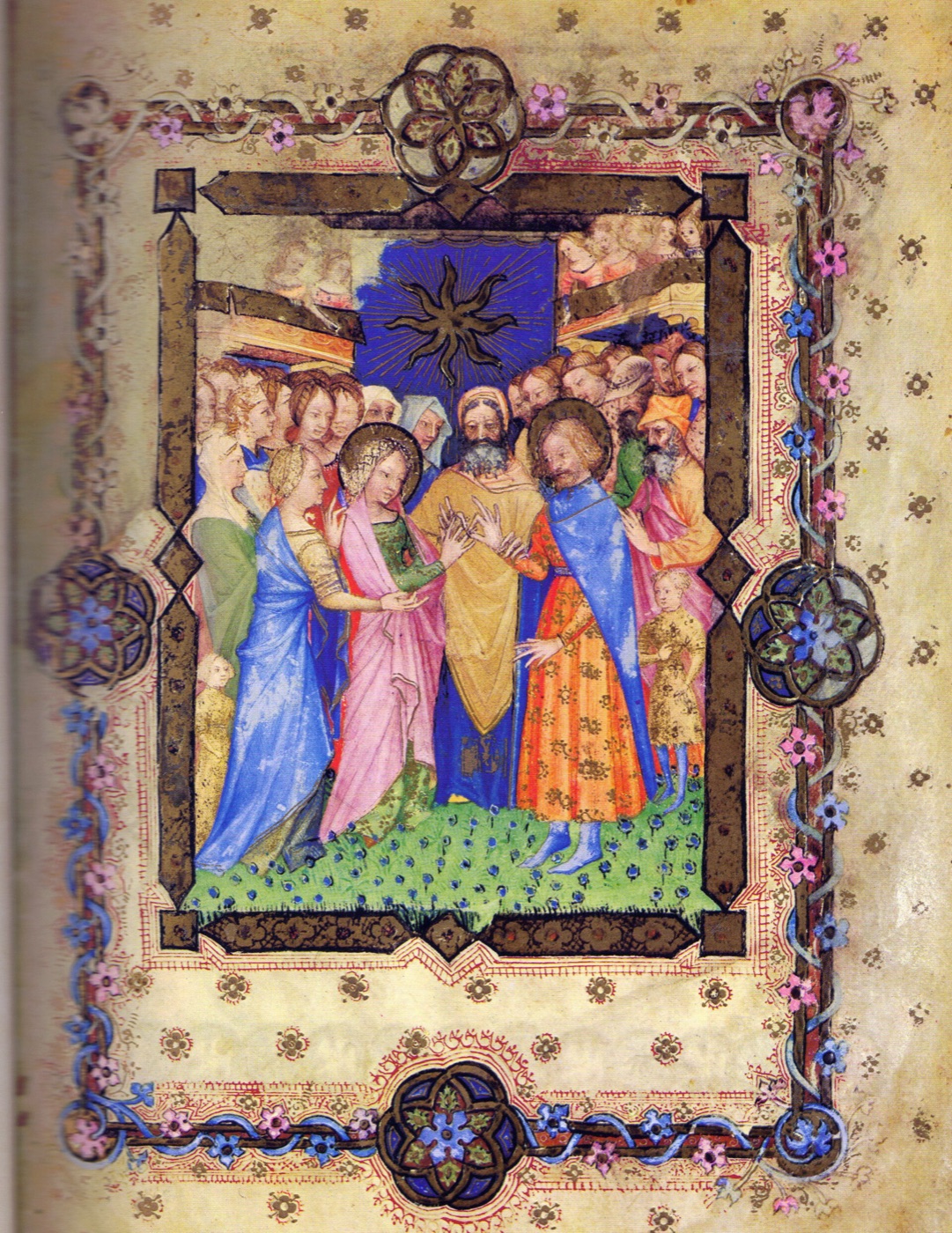
Temperament shows early. How to spot the four natures in a child, and how to raise each one in a way that fits who they already are.