Paracelsus and the First Revolt Against the Four Humors
In 1527 Paracelsus reportedly burned Avicenna at Basel and lectured in German. He traded the four humors for salt, sulphur and mercury, and asked about cause rather than balance.
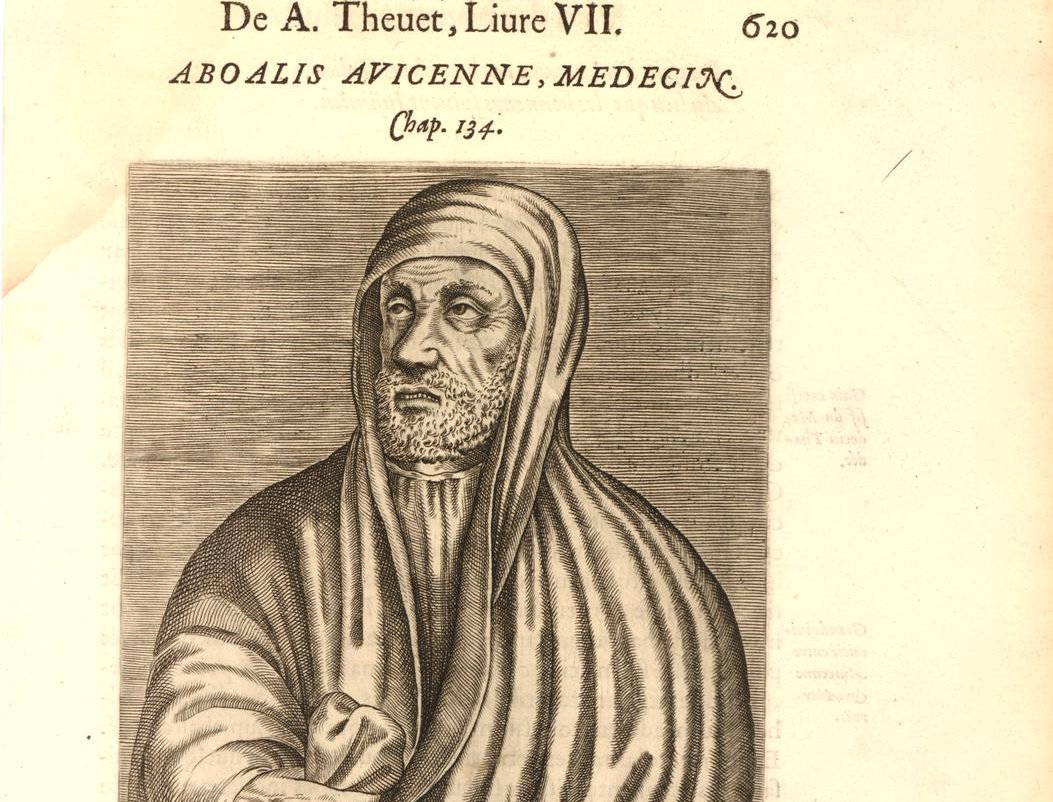
On Saint John's Day in June 1527, students at Basel lit the usual midsummer bonfire in front of the university. The new town physician walked up to it and threw a medical book into the flames. By most accounts the book was Avicenna's Canon, the volume every physician in Europe had studied for four hundred years. The man who burned it was Theophrastus von Hohenheim, who called himself Paracelsus, meaning beyond Celsus, the Roman writer he believed he had surpassed. He was in his thirties, loud, and about to lose almost every fight he picked.
The gesture was not a stunt so much as a statement of method. Paracelsus did not want to correct Galen and Avicenna. He wanted to be done with them. For a doctor of his century that was close to burning scripture.
The town physician who insulted his colleagues
Paracelsus had come to Basel and been made town physician, a post that carried the right to lecture at the university. He announced his course in German rather than Latin, so that barbers and surgeons and apothecaries could attend, not only the Latin-reading elite. He told his audience that the buckles on his shoes knew more than Galen and Avicenna, and that the physicians of his day were treating names in books instead of sick people in front of them.
It did not go well. Within about a year a dispute over an unpaid fee, a lawsuit he lost, and a steady stream of insults aimed at the local faculty forced him out of the city. He spent most of the rest of his life on the road through the German lands and the Alps, writing constantly, printing little, and he died at Salzburg in 1541. He won no institutional victory in his lifetime.
Cause instead of balance
To see why he mattered, you have to see what he was arguing against. The medicine he attacked rested on the four humors: blood, yellow bile, black bile and phlegm, whose balance was thought to decide both health and character. What are the four temperaments still carries the personality half of that scheme. The medical half held that disease was an imbalance inside the patient, to be corrected by drawing off the excess or by feeding in its opposite. That was the logic behind how the four humors were once treated, from bleeding to carefully warming or cooling the body.
Paracelsus rejected the frame itself. He argued that a disease is not your own fluids gone out of proportion. It is a specific thing, often with an outside cause, that settles in a particular part of the body and follows its own course. Miners did not fall ill because their black bile rose. They fell ill from what they breathed underground. And if a disease is a particular entity, then it calls for a particular remedy aimed at that entity, not a general rebalancing of the whole person. That single move, from imbalance to cause, is the reason he is remembered.
Salt, sulphur and mercury
In place of the four humors he offered the tria prima, three principles he named salt, sulphur and mercury. Salt stood for whatever was solid and fixed in a body, sulphur for whatever was oily and could burn, mercury for whatever was fluid and volatile. He did not mean only the metal and the seasoning. These were qualities he thought ran through all matter, living and dead. A disease was a disturbance in these principles, and the cure was a chemical one, often a mineral prepared in the laboratory rather than a plant chosen for its warmth or cold.
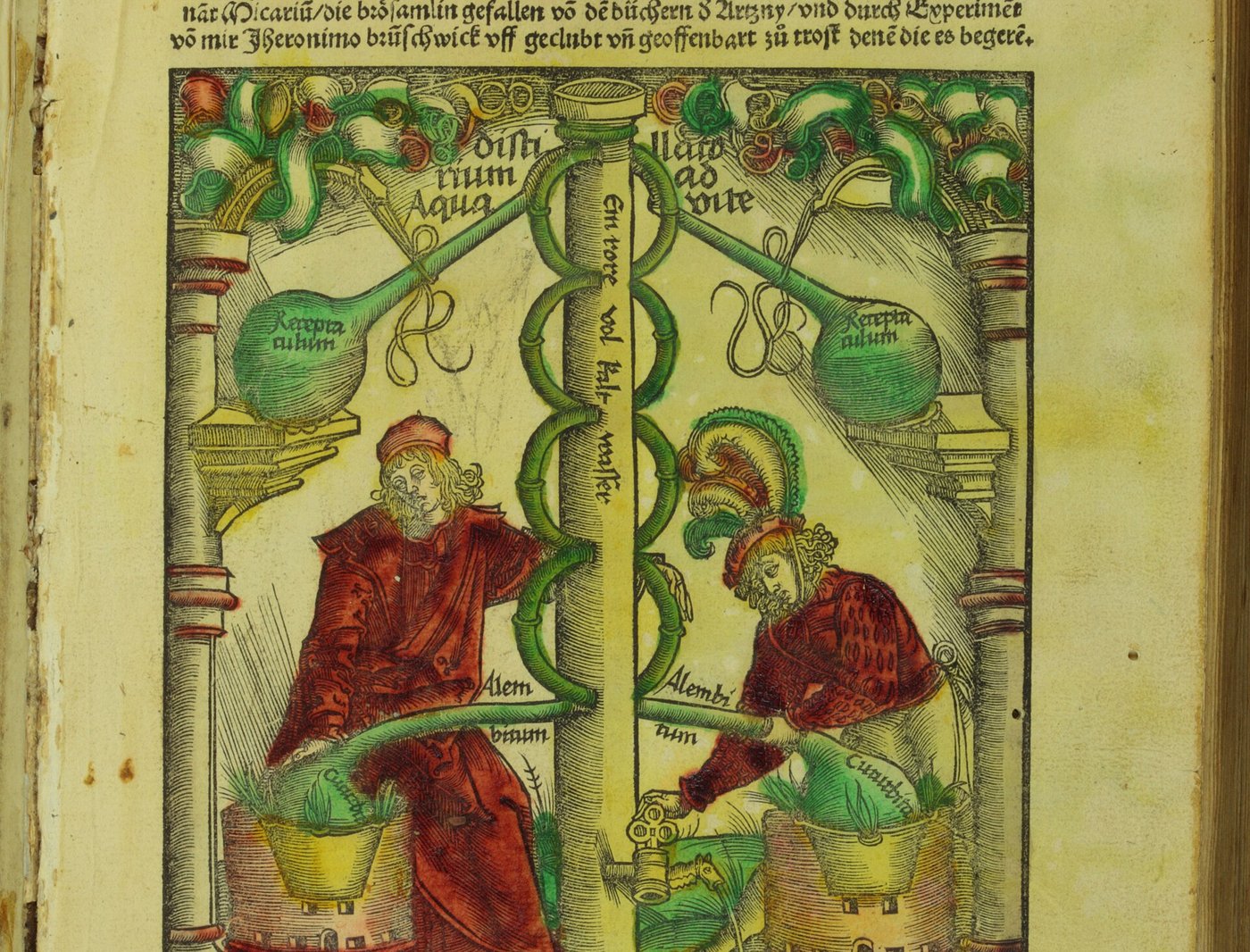
This is where he broke most sharply with the older pharmacy of herbs and the four humors. He pushed mineral and metallic remedies, mercury, antimony, iron and arsenic, and he insisted that the dose was everything, that the same substance could heal or kill depending only on how much you gave. That instinct, at least, was sound.
What he got wrong, and what outlived him
Do not make a hero of him. Much of what Paracelsus taught was wrong, and some of it was dangerous. The tria prima explained no more than the humors did. His mineral cures poisoned people. He mixed real observation with astrology, alchemy and a private cosmology that few could follow, and he was arrogant where he should have been careful and vague where he should have been exact.
But he asked a different question, and the question was better than his answers. The Galenic physician asked what was out of balance in this patient. Paracelsus asked what specific thing was causing this specific illness, and what specific substance might act against it. That is a chemical and causal way of thinking, and it did not die with him. His followers built iatrochemistry, the attempt to describe the body and its cures in chemical terms, across the century that followed.
The humors did not fall because of one bonfire. They faded slowly, over generations, as anatomy and chemistry offered better answers. But Paracelsus is the early tremor before that collapse, the first serious revolt from inside medicine itself, and how humoral medicine ended is the long account he opened. If you came here from the personality side and want the gentler introduction, the test and the temperament pages are still the place to begin.
Find your temperament
Take the test